
Community Hubs for Underground Analog Movements in the Digital Age
You’re not chasing clicks here—you’re building real connections. In a world where screens glow 24/7, these hubs are your heartbeat. Think cozy basements, sunlit craft rooms, or old cinema halls where the smell of ink and tape signals you’re in the right place. Zines sit beside record sleeves, and voices share your itch for tactile, handmade goods. Entering these spaces, you feel a shift—like stepping from a crowded street into a calm, buzzing cafe where every conversation threads into your story. These hubs anchor you, a place to trade ideas, tools, and carried-over skills with fellow creators who crave the same slow, deliberate vibe.
In these communities you’ll meet a mix of artists, collectors, fixers, and curious neighbors. Face-to-face chats turn into long conversations about process, not likes or trends. The vibe stays humble: someone passes you a soldering iron, you offer a spare battery, and the room moves with a natural rhythm. The goal is learning from each other, not showing off. You’ll notice people bring their own projects but stay open to others’ approaches. This openness is what turns a one-time meetup into a regular ritual you count on, like a local market’s opening hour or a favorite coffee shop by the window.
These hubs aren’t just events; they’re living spaces that evolve with you. Swap shelves fill, swap lists grow, and workshops bloom around shared curiosity. The crowd shifts with the seasons—new faces bring fresh ideas, old hands offer steady techniques—and the room becomes a tiny, self-sustaining ecosystem. You’re not just observing; you’re contributing. Whether you’re cleaning a stock of older parts, teaching a pass-along trick, or trading a rare find, you add to a growing archive of hands-on know-how that survives beyond online feeds. That’s the real magic of Underground Analog Movements in the Digital Age: lasting skills and friendships that outlive any trend.
How you find local meetups
Begin with community boards at libraries, cafés, or record shops where locals gather. Look for flyers about hands-on sessions, zine swaps, or DIY repair nights. Small event calendars that target arts, crafts, or local maker scenes can also help. The more you explore, the more quiet corners reveal themselves—notice a pattern: the same friendly faces organizing across different nights. When you attend, bring curiosity and a small offering: a favorite tool, a zine you love, or a repair you recently learned. Your presence signals you’re in for real, tactile exchange, not passive observation.
Digital spaces still matter, but the magic happens in person. Use social channels to confirm dates, timelines, and what to bring, but don’t rely on them alone. You’ll find the best meetups by talking to people at nearby shops or through neighborhood newsletters. If you’re shy, choose events with welcoming notes—beginner-friendly or open swap—so you know you’ll contribute. When you swing by, you’ll feel the room loosen as someone hands you a magnetic clip or a spare hinge and says, Here, try this. That’s your cue to stay, listen, and trade stories as well as parts.
To keep finding new meetups, track recurring venues you love and sign up for alerts from those organizers. You can also start a small thread: If you’ve got a project you want to swap or show, drop a note here. People respond faster than you think when invitations are clear and low-pressure. Remember, you’re building a habit, not chasing a one-off event. The more you show up, the easier it becomes to spot where your interests align with others, and the more you’ll feel part of something bigger than your own project.
What you bring to swaps
Bring your curiosity first. You’ll swap parts, tools, and know-how, but your attitude matters most. Pack a small, organized kit: a notebook for quick sketches, a clean cloth, a basic set of pliers, and a few reusable bags. You’re there to trade fair value for fair value. If you’re unsure what to bring, ask the organizer for a wish list—people love helping you find a swap that matches your skill level. Label your items with their use, condition, and tips you’ve learned; this helps others say yes to your swap and helps you walk away with something you’ll actually use.
Your best swaps come from finished or near-finished projects you can demo quickly. A finished repair, a working prototype, or well-documented work often unlocks a banner trade. Stay open to others’ values—someone may not want your microcontroller but might trade you a favorite drill bit or a high-grade tape you’ve never heard of. The key is clear communication: what you’re offering, what you seek, and what you’re willing to negotiate. Leave space in your bag for new discoveries, not just what you came with.
Quick meetup etiquette
Be punctual and present. Greet people with a smile, introduce your project, and listen first. Respect personal space and tools; ask before borrowing. Keep conversations constructive; if you disagree, disagree with calm. Clean up after yourself and thank the hosts. If you break something, own it, apologize, and help fix it or replace it. A simple, steady respect keeps the room safe and welcoming for everyone, especially first-timers who are learning the dance.
Join the Analog Synthesis DIY Scene
You’re stepping into a community that cares about sound, hands-on work, and creativity. You’ll find people who swap tips, share parts, and celebrate small wins. You’ll feel the rush of turning a handful of resistors and chips into living tone. The DIY crowd isn’t about fame; it’s about playing together, learning faster, and building something you’re proud of. Every knob turn and patch cable moment connects you to years of history and a future you’re shaping with your own hands. Welcome to a space where curiosity is the main currency and generosity is the common language. You’ll learn how small acts—like wiring a breadboard or soldering a tiny jack—create big sounds you didn’t expect.
This scene isn’t about discrete gadgets; it’s a lifestyle—coffee-stained schematics on a cluttered workbench, late-night tinkering, and the satisfaction of hearing your patch come alive. You’ll meet people who’ve built Eurorack systems from junked parts or repair vintage gear for friends. The community stretches from local maker spaces to online forums where people cheer you on, troubleshoot with you, and celebrate breakthroughs. As you join, you gain access to shared resources, swap meets, and friendly debates about shaping a wave. It’s not just circuits; it’s belonging to a network that values hands-on learning and real-world sound.
You’ll learn that collaboration is the energy here: borrowing a soldering iron, trading a module for a favor, mentoring someone new. Underground Analog Movements in the Digital Age isn’t about rejecting technology; it’s about balancing it with tactile craft. Mentors explain why a particular filter sounds warm or why an enclosure resonates when you tap it. The scene rewards curiosity, careful work, and stubborn joy in pursuing imperfect, musical results. In short, you belong to a community that treats every build as a story told with copper and tone.
What tools you need
The basics are affordable and scalable. A solid soldering iron, stand, flux, and rosin-core solder are your passport to countless builds. A multimeter helps spot broken paths before they derail your sound. You’ll want wire strippers, pliers, tweezers, and a cutting mat for a tidy workspace. If you’re starting, a basic breadboard and beginner kit teach you the flow without breaking the bank. You’ll be surprised how quickly you pick up the rhythm of trimming leads and testing a patch.
Beyond the basics, adopt habits that save time and reduce fear. A hot air rework station is helpful for repairs but not essential at first. A desoldering pump and a magnifying glass save you from headaches on tiny joints. A small screwdriver set, a nut driver, and cable ties keep your enclosure neat and signal path clean. Safety glasses and a ventilated space protect you as you solder. Your setup grows with you; each addition makes tougher projects feel doable.
When choosing gear, favor reliability and ease of use. A modest, well-reviewed soldering iron beats flashy but finicky gear. A sturdy workbench, good lighting, and a fume extractor help you stay focused. Also pick cables and patch cords long enough to reach your favorite spots. Start with the basics and avoid chasing every gadget at once—your future self will thank you for buying what actually makes builds easier.
Where you learn soldering
Community spaces are your fastest path to steady hands and confident joints. Look for local maker spaces, community colleges, or DIY clubs offering soldering workshops. Learn by watching seasoned builders, then try it with nearby guidance. Practice on simple projects first—a basic pedal or a small synth module—before tackling complex boards. Immediate mentor feedback helps you correct mistakes and stay motivated.
Online tutorials help, but live guidance accelerates progress. Real-time corrections to grip, heat control, or lead length matter. You’ll find it’s reassuring to brainstorm quick fixes with others when you hit stubborn joints or bad traces. Combine in-person learning with online resources to move from I can do this to I can teach this, recognizing patterns in heat placement, component anchoring, and flux cleaning.
Start with simple kits
Choose beginner kits that teach core skills without overwhelming you. A small, directly input-based module lets you hear results quickly. You’ll learn how components interact and how to read a basic schematic, building steady hands and clean joints. As confidence grows, you’ll tackle more complex projects.
Starting simple helps you build a personal library of go-to parts. You’ll notice which resistors, capacitors, and ICs show up often and what their markings mean. This familiarity makes future projects feel less mysterious and more like a solvable puzzle. Completing each kit gives a real sense of progress and momentum toward bigger builds.
Cassette Culture Resurgence Today
You’re seeing a real spark in cassette culture, and it feels energized this time. It’s not nostalgia alone; it’s building a living scene that fits modern life. The sound remains warm and imperfect, with every tape telling a tangible story. Labeling Side A and Side B becomes a small act of rebellion against endless streaming. This resurgence isn’t about turning back the clock; it’s about choosing tangible, shareable culture you can hold.
Cassette culture connects beyond algorithms. You might trade a mixtape with a neighbor or lend a demo to a friend and hear them describe the moment they pressed play. It fits everyday life: a throwback playlist on a commute, a handwritten note tucked into a sleeve, or a sunny afternoon spent rewinding. Underground Analog Movements in the Digital Age isn’t about rejecting tech; it’s about slower, personal listening you can curate and own. This is your chance to be part of something visible, tangible, and shareable.
Your collection becomes a conversation starter in real life, not just a digital playlist. People respond to the ritual—the feel of a cassette, threading it into a player—and your hobby becomes a social thread. You’ll find small communities online and nearby where folks swap tapes, trade tips, and celebrate the little things like fresh ink on a label. This culture is welcoming, with room for beginners and veterans alike, and you’ll feel drawn to contribute your own story to the growing tapestry.
Why you collect tapes
Collecting tapes is about curating moments you want to replay. You gather pieces that recall a vibe, a road trip, or a late-night study session. Spine labels map your taste; handwriting and color tell chapters. You’re building a personal archive you can flip through without a screen, a ritual that gives you a sense of control streaming can’t.
You’ll start with a few favorites, then add home-recorded demos or indie releases that never hit wide press. Your collection becomes a living thing, evolving as you discover new sounds, find bargains, or trade tapes with friends. You’re chasing personality and texture, not perfection. This is your way to own a moment in a world where every track is a click away but rarely feels personal.
You’ll hear how your taste deepens as you listen differently—hiss, warmth, and the analog glow. You may revisit a tape you once skipped, catching details digital files miss. Your collection becomes a diary of your listening life, a tactile map you can share with others who care about similar sounds. You’ll brag a little when you find a rare tape at a flea market or spot a limited run before it sells out.
How you make mixtapes
Mixtapes are portable mood boards. Start with a vibe—chill Sunday, late-night energy, or a road trip—and pick tracks to tell that story. Favor small gems over big-name picks to highlight surprising transitions. Listen for the gap between tracks and the breath between ideas; that makes the mix feel alive.
The process is social and hands-on. Borrow a friend’s tape to learn their tricks, then tailor your own style. Trade mixtapes with others who share your taste, and collect the stories behind each choice—the memory of a concert, a shared moment, or an inside joke that fits a track. Keep notes on the sleeve so the recipient understands why you chose each piece. Your mixtape becomes a memory you pass along.
Mixtapes feel more honest than perfectly curated playlists; the sequence is human and evolving. When someone listens, they’ll feel your presence in the order the way you felt your own feelings arranging the tracks. That connection is the point and why mixtapes remain resonant in the digital age.
Care for tapes properly
Treat a cassette like a small treasure: keep it away from heat, direct sun, and magnets. Store upright to prevent bending and keep the case clean so labels stay legible. A label with a memory or date adds a personal touch. Clean your player occasionally to keep sound clear and hiss minimal. These habits protect sound and memory.
Rotate your collection to see value in older tapes you nearly forgot. A cracked case or a skippy loop becomes a repair project rather than a discard. Learn quick fixes like tightening a loose screw in the player or reseating a stubborn tape. Caring for tapes is care for memories, keeping the hobby satisfying over time.
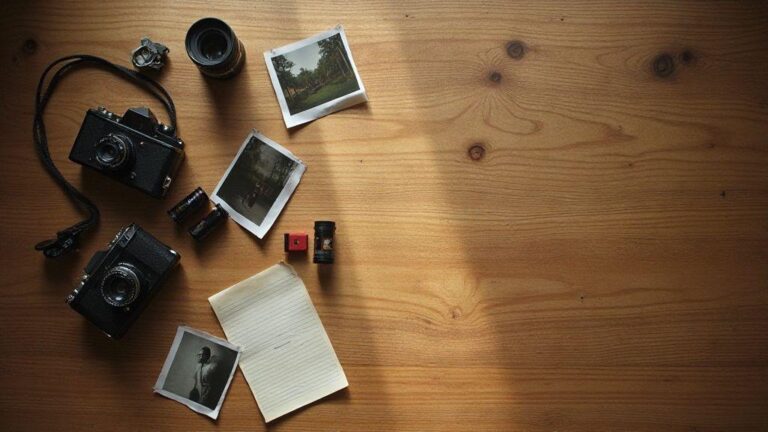
Film Photography Underground Networks
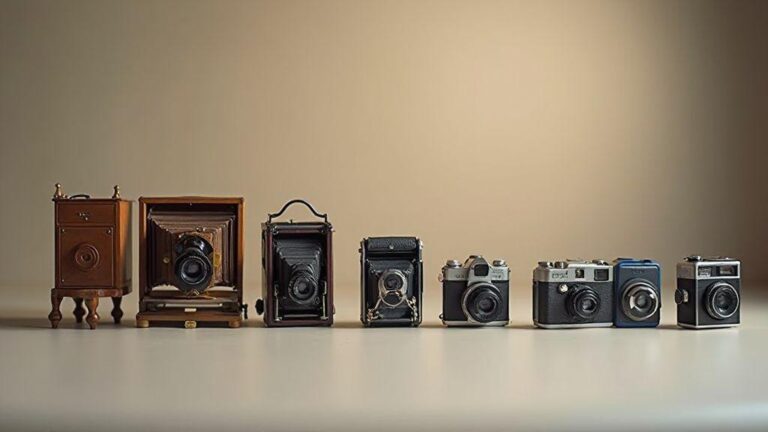
You value the shared pulse of film: the quiet hum of a camera, the thrill of a new roll, the exact moment an image clicks into place. These networks are where curiosity leads and hands learn the craft from others who care as much as you do. Trade tips like rare stamps, swap stories of long nights in a darkroom, and cheer when someone nails a perfect grainy shot. The daily routine gains color here, weekends become small adventures, and friends become fellow keepers of memory. These networks aren’t about fame; they’re about making lasting work with your own hands.
You’re drawn to this world not just for the picture but for the feeling. In these circles you don’t have to pretend to know it all—ask questions, show failed rolls, and learn from others’ approaches. Your curiosity becomes your map: what film to choose, how to meter light, when to push or pull. You’ll discover tiny local labs, mail swaps, and small show nights where prints glow in the room with others’ work. The energy is practical and intimate—like a kitchen table where everyone brings a recipe and a story. Small choices—a light meter setting, a fixer’s strength—add up to a big impact in the final image. This is where daily practice grows into something you’re proud of.
You don’t have to go it alone. Underground networks feel like a neighborhood you haven’t explored yet. You’ll meet people who remember film the way you do—seeing detail in shadows, color stays, and the tiny flaws that give a photo character. You’ll learn to pace shoots, choose processing routes, and share results honestly. Growth is contagious; a conversation about a favorite developer can spark a whole afternoon of experiments. You’ll realize these networks are about community as much as photography. They’re corridors, clubs, and DIY spaces where you can be you, with your own style and questions, in the spirit of Underground Analog Movements in the Digital Age.
How you join photo labs
Ask around your local scene and note who runs the small photo lab who answers with a smile. Show up with something tangible—a test strip or a print you’re proud of—and listen. Learn the lab’s open days, equipment, and handling rules. You’ll feel welcome when someone offers a spare reel or helps you time development—these favors become real skills you’ll use next time you shoot. Many labs also have shared calendars or bulletin boards for ongoing projects and needs—this is your chance to trade knowledge or join a collaborative effort. Participation builds confidence and steadies your technique.
Online tutorials help, but live guidance accelerates learning. Real-time corrections to grip, heat, and lead length matter. When you hit a stubborn joint or bad trace, the group can brainstorm quick fixes or safer substitutes. In-person learning plus online resources speeds your progress from I can do this to I can teach this. Patterns emerge—where to place heat, how to anchor components, how to clean flux—helping you refine your craft.
Where you share prints
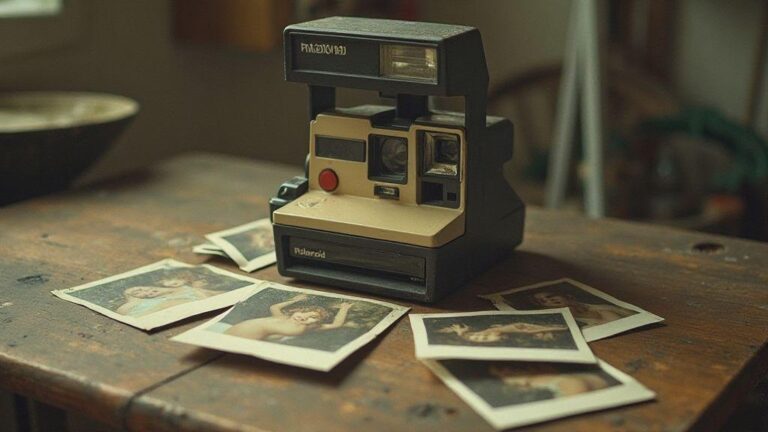
Your first showing is at small local shows or club nights. These welcoming spaces let your work be seen by people who respect the craft. You’ll hear honest feedback that helps you grow, and you’ll absorb ideas for future projects. The vibe is low-pressure: drinks, a quiet room, and a wall of photographs that tells stories you can trace in your own work. Bring prints and listen as others discuss what makes a shot work—the grain, balance, and how light falls. You’ll leave inspired to experiment further.
You’ll also share in online communities that celebrate film and experimental art. Post scans or photos of your best work, tag fellow shooters, and exchange tips on processing and printing. Online spaces help you discover new labs, swaps, and pop-up darkrooms beyond your map. Some friends curate zines or newsletters where your print could be featured. When you share, provide context: how you shot it, what you learned, and what you want to try next. Your prints become a dialogue, not a finish line.
Grow by sharing both successes and challenges. You’ll show the best shots, but you’ll also discuss what didn’t work and why. Honesty builds trust and invites help. The best sharing happens when you invite critique clearly and thank everyone for their time. You’ll end up with a web of friends who cheer your progress, swap gear, and push you toward bolder work. Sharing prints isn’t just about praise; it’s about advancing your arc and keeping Underground Analog Movements in the Digital Age alive.
Protect negatives and scans
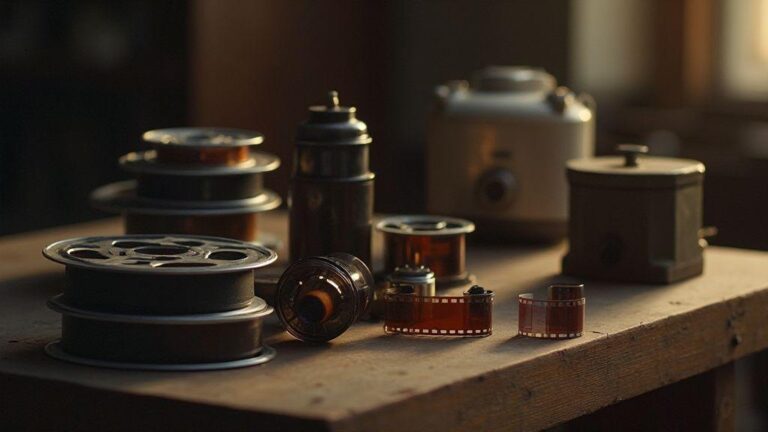
Protect your negatives and scans the moment you finish a roll. Store them in acid-free sleeves and labeled envelopes to prevent fading or mix-ups. Keep backups: physical negatives and a digital copy. Label by date, roll number, and camera model, so you can trace a shot quickly. Plan safe transport: a padded box, moisture control, and a dry box for travel. Care now saves you headaches later and preserves the moment you fought to capture.
Back up your scans regularly and stay organized. Use a simple Year/Month/Subject folder structure with a straightforward naming rule. Maintain a small log of development details and scanning tweaks to reproduce a look you love. Protect your processes by keeping gear clean and dry. Your caution today means crisper results tomorrow.
Handmade Zine Subculture and DIY Publishing
You’re part of a scene that values hands-on work, quick turns, and real voices. Handmade zines aren’t polished in a studio; they’re crafted in kitchens, bedrooms, and small desks where you scribble notes, paste stickers, and fold with nimble fingers. This subculture is about saying what you mean, not chasing perfect printing. A zine invites readers to touch the page, feel the texture, and hear your voice in a raw, immediate way. Your zine is a friend you hand to someone on the street, a reminder that a good idea can start with a single sheet of paper and a brave thought. In this world, creating is the message, traveling by word of mouth, swaps, and practical support from others who care about independent voices.
The subculture grows when you keep things approachable and personal. Zines reflect your day-to-day life, your favorite spots, and the little annoyances you can’t shake. The magic happens when honest writing meets simple design: bold headlines, a rough cut feel, and a few hand-drawn embellishments. Readers aren’t skimming; they’re stepping into your world. That connection isn’t built in synthetic ads; it’s built on trust, shared taste, and speaking directly to readers. Your zine becomes a small community ledger—an honest record of what you care about, shared layer by layer with others who are listening.
To keep the scene alive, you adapt and help others tell their stories. Swap tips, share shortcuts, and celebrate when someone turns a rough draft into a bold statement. The subculture thrives on collaboration, not competition. Swap pages for critiques, host tiny zine fairs, and post scans or snapshots for friends who can’t attend. Underground Analog Movements in the Digital Age stays vibrant because people choose tactile, real forms of expression in a fast world. Your zine is part of that rhythm, a pocket-sized manifesto you can hand to a stranger and spark a conversation.
How you make a zine
Start with a spark—an idea, a photo, or a rant—and plan how you’ll tell it on paper. Gather content, trim to fit pages, and lay out your voice so it shines. You don’t need fancy software; a pencil sketch, cut-and-paste pages, and a bit of glue carry the mood. Write with readers in mind; keep the tone direct, honest, and a little rough around the edges. Before you print, check clarity and image-text synergy. When pages feel balanced, assemble.
Printing aims for impact over polish. Fold, staple, and trim with care so each zine feels crafted. If funds are tight, print in small batches or use a local shop that handles short runs. Use grayscale to save ink, bold headlines to grab attention, and handwritten captions to preserve intimacy. Your finished issue should invite someone to read, hold, and pass along. Each issue becomes a snapshot of you and your circle, and authenticity is what readers remember.
When you share, leave space for readers to contribute. Invite friends to add photos, poems, or opinions that push the conversation forward. This is where the zine grows from a solitary project into a living artifact that travels from hand to hand, from mailbox to desk, across quirky corners of town.
Where you trade zines
Zine trade spots are your weekly gathering grounds: coffee shops, DIY venues, and community centers that love offbeat projects. The energy is simple: you bring what you’ve made, you swap with others, and you walk away with new voices to read. Rules aren’t strict—just about sharing. A fair trade means someone picks up your zine because it resonates, not because it’s easiest to sell. You’ll meet editors who mentor new creators and discover tiny informal fairs where a handful of people trade pages and stories in a supportive circle.
If you can’t find a swap, start your own. Put up a sign at your favorite hangout, invite a few friends, and set a simple rule: bring two copies, take two copies. You’ll learn what people respond to by watching who circles your table and which pages disappear first. The magic is in moments when a reader leaves a sticky note or speaks a thought you didn’t expect. Those exchanges keep the underground alive—literal and emotional exchanges that remind you you’re part of a broader, caring network.
You’ll also build digital bridges to accompany every physical swap. Share scans or photos online, tag the creators you met, and announce future trade days. The digital layer extends the reach of your local scene without losing the tactile love you cherish. Remember, every trade is a thread in Underground Analog Movements in the Digital Age. You’re weaving a community that thrives on real pages, real people, and real conversations.
Keep printing costs low
To stay in the game, keep costs small and impact big. Choose affordable paper, mix black-and-white with color only when needed, and keep runs tight. Batch printing in 20 or 50 copies reduces costs, and reuse pages or sections when possible. Look for local print shops that support small, independent projects and ask about learning or student rates. Your goal is accessible zines, so balance quality with what you can afford.
Reuse scraps and freebies from friends—old magazines, theater programs, or flyers—cutting them into new art and textures. Handwrite headlines or captions to preserve personality without inflating costs. Test print at home when possible, then do a final run at a shop that fits your budget. Stay flexible: small batches, clever design, and a willingness to trade services or help with someone else’s project in exchange for discounts.
Physical Media Resistance and Community Values
You feel the pull to hold something real in your hands, not just a screen. Physical media acts as an anchor for communities that care about culture, memory, and shared experiences. When you choose a CD, vinyl, or printed zine, you value tangible items that age with character and tell stories beyond a file name. Your circle notices this, because you’re not chasing trends—you’re building something you can lend, trade, and discuss face to face. That connection is the heartbeat of a community that prizes care, patience, and nostalgia.
You’ll see this in swap events, repair days, and small exhibitions. The idea isn’t to own more stuff; it’s to own meaningful stuff that can be passed along. Sustainability becomes a communal project as you swap tips on preserving sleeves, cleaning records, and digitizing a favorite old mix only when needed. The result is a culture that respects effort, skill, and the stories behind each artifact.
Being part of this movement means setting standards for care. Label, store, and catalog items so others can find what they need without destroying history. Build a culture of generosity—to lend without fear and to trade with honest value. In this way, physical media isn’t a throwback; it’s a lived practice of sharing, teaching, and protecting what matters.
Why you choose physical items
Choosing physical items keeps experiences tangible and durable. You can touch a cover, read liner notes, or feel grooves as you skip to your favorite moment. This adds memory that digital files can’t provide. You’re not rejecting digital life; you’re layering depth that lasts beyond screens. Handing someone a wrapped record or printed zine gives a piece of your story, not just a link.
You also gain control over quality and longevity. Digital files can disappear, but a well-kept physical item can outlive devices. You’re building a custody of culture, one item at a time, and training your community to value care—secure sleeves, clean needles, and properly labeled collections. It’s practical stubbornness—a way to keep culture audible and visible for the long haul.
How communities sustain media
Communities sustain media by sharing the workload and honoring expertise. Organize repair days to teach sleeve fixes, host listening sessions or zine fairs to turn space into a living archive. You’re not just collecting; you’re curating, cataloging, and guiding newcomers toward trusted sources and respectful handling. This shared work builds trust and keeps material culture from fading.
Create donation, trade, and resale systems that feel fair and friendly. Set clear rules for condition, value, and provenance so everyone knows what they’re getting. Encourage recording provenance—who owned it, why it mattered, where it came from—so an item carries a story as well as sound. When a sturdy community framework forms, Underground Analog Movements in the Digital Age can outlast trends and stay thriving.
Preserve media for sharing
Protect media with careful storage, routine maintenance, and open sharing within trusted circles. Use acid-free sleeves, stable shelving, and climate control to slow wear. Document care routines and swap histories to create a living guide you’ll pass to the next generation. Proper preservation makes it easier for others to borrow, learn, and contribute.
Lo‑Fi Analog Aesthetics in Your Life
You’re drawn to the warm, imperfect vibe of lo‑fi because it makes everyday moments feel more real. Embracing lo‑fi creates spaces where small details matter: a vinyl crackle, a grainy camera, or a lamp casting soft shadows. The look isn’t about perfection; it’s about comfort and authenticity you can feel in every corner. Mornings slow, playlists feel friendlier, and your room becomes a sanctuary from screen glare. Lo‑fi helps you reclaim taste and intention in a fast world.
In practice, lo‑fi means textures and tones that aren’t sterile. Pair warm wood with faded fabrics, let clutter tell a story, and keep cables tucked so they don’t shout. Your photos, notes, and snacks take on a softer, tactile character. The goal isn’t trendiness but a vibe you can live with daily. When guests walk in, they sense the calm confidence built by small, deliberate choices.
The magic of lo‑fi scales with you. You don’t need a full studio to get this look; start with one meaningful detail—like a vinyl sleeve on your coffee table—and build from there. Layer sounds and visuals to reinforce the vibe: lo‑fi beats while you study, cassette hiss syncing with your breath. Use natural light, a touch of imperfect whites, and a few everyday artifacts—coffee cup rings, a worn notebook—where they belong. These tiny imperfections become cues for relaxation and focus.
How you add lo‑fi style
Add lo‑fi style by starting with basics you already use and adjusting for character. Swap gloss for matte textures and let natural wear show on a few objects. Keep a simple color palette—cream, olive, muted teal—and anchor the space with one bold piece like a vintage speaker. It’s not about buying more gear; it’s about curating what you have to feel warmer and more intimate. At your desk, slow, thoughtful work becomes the norm.
Layer sounds and visuals to reinforce the vibe. Play lo‑fi loops while you study or write, and notice how cassette hiss or vinyl crackle syncs with your breathing. In photos, use natural light, slightly uneven exposure, and imperfect whites for nostalgia. Keep everyday artifacts—like a coffee cup ring—where they belong. Small imperfections become cues for relaxation and focus, not flaws to hide.
To pull it together, align spaces with purpose. Shelves tell quick weekly stories: a plant you forgot to water, a postcard from a friend, a printed photo with a rough edge. Rotate objects with seasons to keep the room fresh without losing mood. And don’t chase perfection in gear; chase feeling. The right mix of texture, tempo, and tone keeps life grounded and real.
Where you find gear
Gear shows up like treasure hunts rather than tech shops. Look for second-hand shops, flea markets, and garage sales where you’ll often find warm tones and quirky charm. You might snag a used turntable with a steady hum, a grain-loving camera, or a lamp with amber glow. These pieces aren’t just tools; they’re character stories you’ll tell over coffee. Online communities and local meetups are gold mines for lo‑fi gear that fits your life. Trade tips, share setup photos, and borrow a cord until you’re sure you want to commit. Small brands that celebrate imperfections—quirky knobs, tactile switches, scratched cables—aren’t flaws; they remind you you chose human, not sterile, tech. Each item should feel like it belongs to your space by design, not impulse.
When you shop, balance looks with feel. Choose gear that ages well—wood that darkens with sun, fabrics that resist glare, plastics that don’t scream new. Read specs with a grain of salt, focusing on how an item sits in your room and how it sounds or photographs. The goal is cohesion: gear that blends, not dominates. If a piece makes daily life easier and the room warmer, it earns its place. Underground Analog Movements in the Digital Age is your north star, guiding gear choices that honor the human touch.
Tape Culture Communities and Distribution
You tap into a living web where tapes carry more than sound—they carry stories, friendships, and local identity. Communities grow when you trade stories along with tapes, and that energy shows up in hand-numbered labels, handwritten notes, and tiny zines tucked inside sleeves. You’ll feel it strongest at house shows, cozy listening parties, and Reddit threads where you swap recommendations and tips. Distribution isn’t just about getting music out—it’s about keeping a pulse alive, and you help that pulse beat by supporting artists who press indie gear, local studios, and DIY press runs. When you view the scene this way, you’re not a consumer; you’re a node in a living network.
You’ll notice communities self-regulate with care. People trade tapes not for profit but for shared discovery and mutual respect. You’ll learn which labels push boundaries, which friends press limited runs, and which stores host swap meets. The thrill is chasing a rare find, then sharing a clean dub with someone who nods along to the same rhythm. Distribution happens in small circles first, then citywide, and finally beyond. Your role is to keep the line moving—curating, recommending, and guiding curious listeners toward hidden gems. This is how Underground Analog Movements in the Digital Age stays vibrant: hands-on connection, honest exchanges, and pride in doing things yourself.
As you engage, you’ll notice the quiet artistry behind the logistics. Hand-stamped sleeves, pin-back passes, and sleeves with handwritten song lists are tiny rituals that make every tape feel earned. You’ll learn to package with care, ensuring tapes arrive pristine despite long journeys. Small collaborations—shared artwork, co-released cassettes, local show bills—multiply reach without sacrificing intimacy. If you treat distribution as a conversation rather than a push, you invite someone into your community, keeping the culture fresh.
How you mail and trade tapes
Mail a tape with care: stiff sleeves, reinforced mailers, and a personal note about why you chose that reel for a friend. Highlight the address clearly and add a friendly touch—like a note about a track that reminded you of them. Wrap the tape in two layers of protection so it lands intact. Include a simple return recipe: a swap-friendly label, a brief track list, and a warm greeting. This isn’t just sending music; it confirms your place in a trusted loop of givers and receivers.
Trade happens most often within close-knit networks. Swap at local record stores, gigs, and informal mail exchanges with friends who share your taste. Post a photo of your latest find or a mini unpacking video to invite others in. Be prompt and honest: share what you loved about the tape, offer a fair trade, and keep exchanges simple. Balance rarity with generosity—no one wants to feel like a pawn in a game, so keep things human.
When you’re new, start small: one tape for one, with a note about a track that spoke to you. As you build trust, exchanges become faster and more creative—limited runs for unreleased demos, split releases with a friend, or a mini guide to your city’s sounds tucked inside. The goal is steady momentum, not a one-off hit. Your mailbox becomes a map of connections, each envelope marking a small victory in your listening journey.
How DIY labels work
DIY labels run on community trust and stubborn persistence. You’ll spot good starts: a strong catalog concept, a clear aesthetic, and a plan for how many cassettes you’ll press. You’ll handle the work yourself—artwork, master checks, dubbing, packaging. Every step is a nod to the craft: choosing a magnetic tape, testing playbacks, and hand-numbering editions to give each copy ownership. Your label becomes a hinge between artist and listener, a place where you curate the taste of your city and invite others to share it.
Funding is lean but real. You’ll bootstrap with modest runs, pre-orders, and local gigs that double as release parties. Build a mailing list, offer exclusive content, and trade services with fellow labels to stretch resources. Document everything: archive releases, track feedback, and maintain a simple catalog. When you’re transparent about costs and timelines, you earn trust and grow a devoted listener base. Your DIY label isn’t just a business—it’s a community project that grows with every release and every word of praise from fans.
A successful DIY label stays flexible. You’ll adapt to shortages, press delays, and changing tastes without losing your core voice. Experiment with formats—limited dubbed reels or deluxe sleeves—to keep fans engaged. Lean on collaborations, letting artists curate side A while you shape the sound on side B. Persistence builds a track record of releases people actively seek.
Track small runs and promos
Plan small runs with clear goals: test a sound, energize the local scene, or reward loyal listeners. Cap at a realistic number, say 100 copies, to keep quality high and costs manageable. Design with care—bold sleeves, legible data, and a compact insert explaining why the run matters. Track pre-orders and post-release demand to time future pushes better and reduce leftovers. Your numbers become a map for refining future art.
Promos are your best tool for growing reach without oversaturation. Trade promos with fellow labels and venues, or send samples to trusted radios or zines, then watch word spread in small circles before it hits online. Include a personal note with each promo, inviting feedback and ideas for future runs. Treat promos as genuine conversations, not marketing gags, and you’ll reach more ears.
Your careful approach to small runs and promos keeps the project human. Don’t oversell or overproduce; let the music lead and your community respond. Each successful run builds trust, and that trust multiplies as friends attend gigs or swap tapes with newcomers they’ve met through your releases. In this quiet, patient way, your contributions help sustain Underground Analog Movements in the Digital Age.
Counter‑Digital Art Movements and Wellbeing
You’re not chasing pixels for pixels’ sake; you’re protecting your wellbeing by stepping back from constant screens. Counter-digital art movements remind you that creativity flourishes when you slow down, breathe, and let your hands lead. When scrolling dulls your focus, practices that restore energy keep you grounded. These movements aren’t anti-tech—they’re about balance: mindful creation, sharing, and reflection. This balance helps you feel more present, confident, and connected to your local community and craft.
You’ll see real gains in mood and daily rhythm when you lean into analog traditions that encourage mindful making. Step away from the feed into a studio or workstation to reclaim control over your process. The benefit isn’t just nicer art; it’s nicer mornings, steadier focus, and less anxiety about what you didn’t post. Prioritize meaningful projects over constant updates to create work that stands the test of time.
In practice, start small: a daily maker hour away from screens, a local craft circle, or trading a finished piece with a neighbor. These moves build community, reinforce craft, and quietly push back against the pressure of the endless digital feed. You’ll sleep better, think clearer, and feel prouder of what you produce because it’s rooted in tangible effort, not online validation.
How analog helps focus
Focus sharpens when you pick up a pencil, brush, or tool instead of tapping a screen. Analog work forces you to slow down, plan, and execute with intention, reducing wandering attention and scattered effort. When your hands are busy, your brain follows, and you finish projects with a sense of completion that screens rarely deliver. This isn’t nostalgia—it’s a reliable way to reclaim attention and make real progress.
Analog work also protects you from constant interruptions. A dedicated space and hands-on tasks create a productive routine you can rely on daily. Your inner critic softens as you see steady improvement through practice, not highlights. Sharing finished pieces in local shows or critiques provides sincere feedback from real people, fueling motivation and sustaining practice even when digital trends swirl.
How you balance tech and craft
Balance tech and craft by design. Set rules for tech time and craft time, protecting craft hours as you would a meeting. When you use tech, choose quality tools that truly serve your craft—high-contrast monitors for color accuracy, reliable scanners for preserving handwork, or a simple setup for documenting your process. This makes digital work purposeful rather than distracting.
Create rituals that blend both worlds. Start with a warm-up sketch or a short note about goals, then document your process with photos or a quick video. Keep hands engaged and thoughts organized, turning messy experiments into teachable steps. Over time these rituals become a reliable workflow that respects your need for focus and love of making.
The key is intention. If a digital tool doesn’t add value for your final piece or learning, drop it. If a screen helps planning, keep it—just don’t let it steal your time. Often the best art happens when technology serves craft, not dominates your day.
Use analog for creative rest
Take deliberate breaks from screens with analog rest. A quiet doodle, a tactile collage, or a slow, careful sketch helps after long sessions of typing or scrolling. Rest with purpose by letting your hands explore texture, weight, and material without worrying about outcomes. Ideas simmer and mature during these breaks, sometimes sparking breakthroughs when you least expect them. Underground Analog Movements in the Digital Age shows their value here: honor limits while keeping creativity alive.
How you add lo‑fi style
Add lo‑fi style by starting with basics you already use and adjusting for character. Swap glossy finishes for matte textures and let wear show on a few objects. Maintain a simple color palette—cream, olive, and muted teal—and anchor the room with one bold piece, like a vintage speaker. It’s about curating what you already own to feel warmer and more intimate, turning your desk into a space that invites slower, more thoughtful work.
Layer sounds and visuals to reinforce the vibe. Play lo‑fi loops while you study or write, and notice the cassette hiss or vinyl crackle syncing with your breath. In photos, use natural light, gentle exposure, and imperfect whites for nostalgia. Keep everyday artifacts—like a coffee cup ring or a worn notebook—where they belong. These small imperfections become cues for relaxation and focus, not mistakes to fix.
To pull it together, align spaces with purpose. Your shelves tell quick stories: a plant you forgot to water, a postcard from a friend, a photo with a rough edge. Rotate items with the season to stay fresh without losing mood. Don’t chase gear; chase feeling. The right mix of texture, tempo, and tone keeps life grounded and real.
Where you find gear
Gear shows up like treasure hunts, not in big tech shops. Look for second-hand shops, flea markets, and garage sales where you’ll find warm tones and quirky charm. You might score a used turntable with a steady hum, a grain-loving camera, or a lamp with amber glow. These pieces aren’t just tools; they’re character stories you’ll tell over coffee. Online communities and local meetups are gold mines for lo‑fi gear that fits your life. Trade tips, share setup photos, and borrow a cord until you’re sure you want to commit. Small brands that celebrate imperfections—quirky knobs, tactile switches, scratched cables—aren’t defects; they remind you you chose human, not sterile, tech. Each item should feel like it belongs to your space by design.
When you shop, balance looks with feel. Choose gear that ages well: wood darkens with sun, fabrics resist glare, plastics avoid shouting new. Read specs with a grain of salt, focusing on how an item sits and sounds or photographs. The goal is cohesion: gear that blends, not dominates. If a piece makes daily life easier and the room warmer, it earns its place. Underground Analog Movements in the Digital Age remains your north star, guiding gear choices that honor the human touch.
Tape Culture Communities and Distribution
Tape culture weaves tapes with stories, friendships, and local identity. Communities grow when you trade stories along with tapes, and you’ll see that in hand-numbered labels, handwritten notes, and tiny zines inside sleeves. The energy shows at house shows, listening parties, and Reddit threads where people swap recommendations and tips. Distribution isn’t just about getting music out—it’s about keeping a pulse alive, supporting indie presses, local studios, and DIY runs. You’re not a consumer; you’re a node in a living network.
Communities self-regulate with care. People trade tapes for shared discovery and mutual respect. You’ll learn which labels push boundaries, who presses limited runs, and which stores host swap meets. The thrill is chasing a rare find and sharing a clean dub with someone who nods to the same rhythm. Distribution starts in small circles, grows citywide, and then expands. Your role is to keep the line moving—curating, recommending, and guiding curious listeners toward hidden gems. Underground Analog Movements in the Digital Age thrives on hands-on connection, honest exchanges, and a pride in doing things yourself.
Hand-stamped sleeves, pin-back passes, and sleeves with handwritten song lists are tiny rituals that make every tape feel earned. Learn to package with care so tapes arrive pristine despite long journeys. Small collaborations—shared artwork, co-released cassettes, and local show bills—multiply reach without sacrificing intimacy. If you treat distribution as a conversation rather than a push, you invite someone into your community and keep the culture fresh.
Mail and trade tapes
Mail a tape with care: sturdy sleeves, reinforced mailers, and a note about why you chose this reel. Include a clear address and a personal touch—like a quick memory about a track. Wrap the tape in two layers of protection so it lands intact. A simple return recipe—swap-friendly label, track list, friendly greeting—completes the gesture. This isn’t just sending music; it’s confirming your place in a trusted giver-receiver loop.
Trade happens in close-knit networks. Swap at record stores, gigs, and informal mail exchanges with friends who share your taste. Post a photo of your latest find or a short unpacking video to invite others in. Be prompt and honest: share what you loved about the tape, offer a fair trade, and keep exchanges human and straightforward.
When you’re new, start small: one tape for one, with a note about a track that spoke to you. As trust grows, exchanges become faster and more creative—limited runs for unreleased demos, split releases with friends, or a city guide to sounds. The goal is steady momentum, not a one-off hit. Your mailbox maps a network of connections, each envelope marking a small victory in your listening journey.
How DIY labels work (track small runs and promos)
DIY labels live on community trust and persistence. Start with a solid catalog concept, a clear aesthetic, and a plan for how many copies to press. Do the work yourself—art, master checks, dubbing, packaging. Each step is a craft moment: selecting magnetic tape, testing playback, hand-numbering editions to give copies ownership. Your label becomes a hinge between artist and listener, shaping the city’s taste and inviting others to share it.
Bootstrapping works: modest runs, pre-orders, and local gigs doubling as release parties. Build a mailing list, offer exclusive content, and trade services with fellow labels to stretch resources. Document everything—releases, feedback, and a simple catalog. Transparency about costs and timelines earns trust and grows a devoted audience. Your DIY label is a community project that expands with every release and every fan’s praise.
A successful DIY label stays flexible. You’ll adapt to shortages, delays, and shifting tastes without losing your voice. Try formats like a limited reel or a deluxe sleeve to keep fans engaged. Collaborate, letting artists curate side A while you shape side B. Your persistence creates a track record of releases people actively seek.
Track small runs and promos
Plan small runs with a clear goal: test a sound, energize the local scene, or reward loyal listeners. Cap around 100 copies to maintain quality and control costs. Design with bold sleeves, readable data, and a tiny insert explaining why the run matters. Track pre-orders and post-release demand to time future pushes better and reduce leftovers. Your numbers guide future art.
Promos grow reach without overdoing it. Exchange promos with fellow labels and venues, or send samples to trusted radios or zines, and watch word spread in small circles before it goes online. Include a personal note with each promo inviting feedback and ideas for future runs. Treat promos as genuine conversations, not marketing gags, and you’ll reach more ears.
Small runs and promos keep projects human. Don’t oversell; let the music lead and the community respond. Each successful run builds trust, and that trust multiplies as friends attend gigs or swap tapes with new people they meet through your releases. In this quiet, patient way, your contributions help sustain Underground Analog Movements in the Digital Age.
Counter-Digital Art Movements and Wellbeing (reprise)
You’re not chasing pixels for pixels’ sake; you’re protecting wellbeing by stepping back from constant screens. Counter-digital art movements remind you to slow down, breathe, and let hands lead. When quick scrolls dull focus, choose practices that restore energy and keep your mind calm. These movements aren’t anti-tech—they’re about balance: mindful creating, sharing, and reflection. This balance helps you feel more present, confident, and connected to your local community and craft.
You’ll gain mood and rhythm improvements by leaning into analog traditions. Step away from the feed into a studio or workstation to reclaim control over your process. The payoff isn’t just nicer art; it’s nicer mornings, steadier focus, and less anxiety about what you didn’t post. Prioritize meaningful projects over constant updates to create work that lasts.
Start small: a daily maker hour off screens, a local craft circle, or trading a finished piece with a neighbor. These moves build community, reinforce craft, and quietly push back against digital pressure. You’ll sleep better, think clearer, and feel prouder of your work because it’s rooted in tangible effort, not online validation.
If you’d like, I can adjust the density of the keyword usage or add an additional concluding section explicitly tying the themes back to Underground Analog Movements in the Digital Age for even stronger SEO.

Junior Souza is a passionate analog photographer and the mind behind estoucurioso.com. With a camera always in hand and a roll of film never far away, Junior has spent years exploring the world through a 35mm lens — learning, experimenting, and falling deeper in love with the slow, intentional process that only analog photography can offer.
What started as pure curiosity quickly became a lifestyle. From testing different film stocks under harsh light to hunting vintage lenses at flea markets, Junior believes that understanding your tools is just as important as developing your eye.
Through estoucurioso.com, he shares everything he has learned along the way — the techniques, the mistakes, the references, and the stories behind the frames. His goal is simple: to build a space where beginners and enthusiasts alike can grow, get inspired, and never stop being curious.
Always learning. Always shooting.