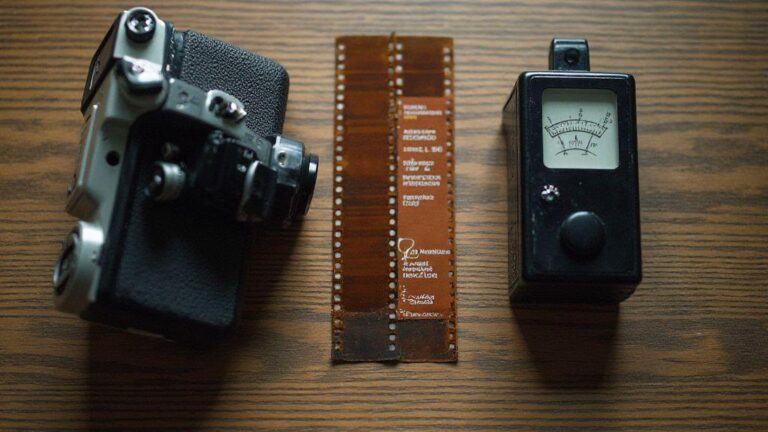


Essential Climate Control for Preserving Your Analog Collection
A practical guide to keeping your films, records, and prints safe from temperature, humidity, light, and pests. The goal is stable conditions that protect color, gloss, and detail while keeping storage simple and affordable. By treating climate control as routine, you minimize costly restorations and maximize everyday enjoyment of your collection.
Keep temperature stable for your media
When you care about your films and materials, you must keep the temperature steady. A calm, predictable environment prevents warping, color fade, and stuck seals. Your collection lasts longer and stays true to its original look when you don’t push it to extremes. Think of temperature stability as a daily habit: small, consistent choices beat big swings that hurt your media over time. You’ll notice crisper film stills, truer prints, and cleaner records. Your shelves deserve a steady rhythm, not a roller coaster.
You can protect your collection by choosing a room away from direct sun or heating vents. Keep doors closed and avoid placing boxes where heat pours in during the afternoon. If you notice drafts, seal them. It’s not about perfection; it’s about steady, gentle control. Small habits, like pulling curtains at peak sun or using a simple fan to mix air, add up to more stable conditions.
Remember: your goal is steady warmth, not a perfect climate. Your media will thank you when the room doesn’t swing from chilly to hot overnight. Your careful approach helps keep colors accurate and surfaces smooth, so every reel or print ages gracefully. The right environment makes your collection feel less fragile and more like a living library you can enjoy today and years from now.
Set temperature around 65°F (18°C) for your records
You’ll keep your analog treasures in better shape by targeting about 65°F (18°C). That sweet spot reduces stress on plastics, vinyl, and film emulsion. It’s about staying in a safe zone most of the time. If your space drifts, keep swings small and slow. You’ll notice fewer warps in reels and less gloss softening on your prints when you maintain this target. Your eye will find it easier to catalog and view your collection when the temperature stays near that comfortable middle.
To reach this, keep your thermostat steady and avoid sudden changes. If you must adjust, do it gradually over days rather than hours. Use a single-room climate approach rather than multiple zones; a simple, consistent setup reduces surprises. You’ll find it easier to plan storage layouts and shelving when the climate isn’t yo-yoing. Your routine becomes predictable, and that predictability protects your pieces from stress marks or fading.
How you stop temperature swings in storage
Treat your storage like a small, controlled climate bubble. Place boxes away from heat sources and direct sunlight. Use insulating materials to slow rapid changes in the air around your items. If you use a cabinet, keep it closed and dust-free so air can’t rush in and out with every door slam. A simple reminder: consistency beats perfection. Avoid placing new, warm items directly into storage and let things acclimate first.
Check your space for drafts and seal them with weather stripping if needed. Keep a small, quiet dehumidifier or humidifier if your room swings between damp and dry, but avoid adding moisture that can warp film or encourage mold. You’ll sleep easier knowing your storage isn’t an outdoor shed in disguise. Your media will stay more stable, and you’ll spend less time fighting curls and corner wear.
Check with a room thermometer
You’ll rely on a room thermometer to keep you honest about the climate. Place it where your media sits, not by a heater or window. Readings should stay within a narrow range most days, with only tiny fluctuations. Use the thermometer as a quick check before you start a viewing session or pull items for scanning. When you see steadier numbers, you know you’re on the right track. A simple digital unit can give you hourly updates, which is enough to notice trends without becoming obsessive. Your confidence grows as you spot patterns and keep your environment in check.
Control humidity to protect your vinyl
You know how a warm, humid day can make your records feel sticky and warped. Humidity affects vinyl and sleeves the moment air touches them. When the air is too moist, you can get mold, warping, or that stubborn stale smell. When it’s too dry, the plastic can crack and brittle corners appear. Your goal is a steady environment where the vinyl stays true to its shape and sound. By keeping humidity steady, you reduce cracks, warps, and surface noise before they start.
Think of your collection as a living thing that needs a calm climate. Don’t tolerate dramatic swings—no sauna one day and desert the next. A steady climate helps the ink on labels stay legible and sleeves from sticking. If you’re actively playing records, a little warmth from playing won’t wreck things as long as the air stays within a narrow band. Aim for a calm, controlled space you can trust for years to come. With the right humidity, your albums feel and sound better, not just in the moment but over the long haul.
Keep your eyes on the long game: a stable environment protects your investment and memories. When you manage humidity, you’re saving money and safeguarding artwork, sleeve notes, and color. Fewer sudden changes in groove quality keep your listening experience true to the original master. Simple, steady care pays off every time you drop a needle.
Follow vinyl humidity guidelines of about 35–45% RH
Aim for a comfortable middle ground: about 35–45% relative humidity. That range keeps moisture enough to prevent brittleness without inviting mold. If you drift below 35%, the vinyl can become brittle; above 45%, warping and mold risk rise. Remember seasonal shifts—summer can push RH up, winter can drop it. Maintain a steady climate within this window and check a few times a week to stay on track.
If your space sits outside that zone, don’t panic. Small adjustments can bring you back: close windows, run a dehumidifier in humid months, or use a humidifier when the air gets dry. Consistency matters, and keeping a simple log helps you spot patterns before they affect your records. When you hit the sweet spot, you’ll hear and see the difference.
How you use a hygrometer for relative humidity preservation
A hygrometer is your quiet helper. Place it where air circulates but not right next to a vent or radiator. You’ll want a reading that’s easy to glance at—digital is fine, but a simple dial works too. Check your RH daily or a few times weekly, and notice how small changes shift the room’s tone. When the numbers hover around 35–45% for several days, you know you’re doing well. If the numbers drift, you can act quickly—adjust airflow, move boxes away from heat sources, or tweak moisture levels with a dehumidifier or humidifier.
Keep it accessible and visible. A hygrometer tucked away in a closet won’t help you catch a spike in humidity when the door is shut. Make it part of your routine: a quick peek during a cleaning or a weekly check-in. Your future self will thank you for the calm, predictable environment you establish today. This small habit protects your vinyl more than you might realize, letting you enjoy your analog collection without sudden surprises.
Place silica gel or desiccant packs
Scatter silica gel or desiccant packs around the storage area, especially near jackets and sleeves. They pull moisture away from the air, helping keep humidity in a safe zone. Check packs every few weeks and replace or recharge them as directed. You’ll notice crisper air and drier storage without running a machine constantly. It’s a simple, effective way to lock in the humidity you want.
Use acid-free sleeves and archival supplies for your collection
You’ll protect your films and records by choosing acid-free sleeves and other archival supplies. When you handle your items, you’ll notice the sleeves stay clear and rigid, so pages don’t bend or scratch. They slow the aging process by blocking acids from paper, cardboard, or adhesives. You’ll feel confident knowing your collection is in sleeves designed to last decades, not just a season. Pair them with archival-safe boxes and labels so everything stays organized and ready for future you.
Sleeves should fit your items without crimping. Look for sleeves labeled acid-free, pH neutral, and polypropylene or polyethylene. These materials don’t shed fibers or chemicals into your films. Slide a film or photo into a sleeve to create a clean barrier against dust and handling wear. The goal is simple: your collection should look the same years from now as it does today.
When you’re shopping, consider resealable options for frequently accessed items. Reusability means you won’t force pieces through tight openings that can cause tears. Translucent sleeves let you spot titles and dates at a glance. By choosing the right archival supplies, you’re making a practical choice that protects your investment and makes your collection easier to manage.
Why acid-free sleeves help your records and film
Acid-free sleeves slow the chemical changes that break down paper and film. You’ll notice less yellowing and brittle edges over time, keeping items readable and intact. They act as a shield against air-borne pollutants and micro dust that can settle into corners, saving you costly restoration later.
Your films and records stay cleaner because acid-free sleeves reduce direct contact with rough surfaces. That means fewer cleaning rituals and more time enjoying your collection. It’s a small step with a big payoff for longevity. Match sleeves to your needs: thicker archival options for fragile negatives and long-run films, or flexible sleeves for frequently handled pieces that still meet archival standards.
Add silica gel for archival use to cut moisture risk
Add silica gel packets to your storage to reduce moisture risk. Silica gel soaks up humidity that can cause mold and warping in films and papers. Keep packs in the same box as your items, but don’t let them touch the materials. Check them periodically and replace them when they harden or pale. This simple routine helps maintain a healthier environment without mystery odors or damage. For glass plates or film reels, consider larger silica gel sachets or bulk packs designed for archival spaces. Moisture is quiet but relentless; a few packs placed strategically keep your collection safer and drier.
Store items in archival boxes and label them
Archival boxes keep everything together and protected from light and dust. High-quality interiors preserve color and detail while you stack, move, or pull items. Labeling with fade-resistant inks and keeping a simple log speeds retrieval and keeps storage tidy. A basic system might include title, date, format, and any special handling notes. Labels stay readable after years of storage, so you won’t guess what’s inside. Consistent labeling makes audits, shows, and digitizing easier.
When tucking items into archival boxes, place bulkier pieces on the bottom and lighter ones on top to balance weight and prevent crushing. If you rotate boxes on shelves, maintain a simple inventory log to avoid digging through dozens of boxes. A small upfront setup yields big long-term efficiency.
Prevent mold and pests in your analog storage
Mold and pests can quietly degrade your collection if you don’t stay on top of it. Mold loves humidity and warmth, so regular checks help you catch issues early. Pests like silverfish or booklice are drawn to paper and adhesives, especially if boxes are left open or stored on the floor. Keep conditions stable, maintain airflow, and store items off the floor to reduce trouble spots. A routine helps you notice small changes before they become big problems, protecting memories and artwork.
Label boxes clearly and group like items together to spot anything unusual—musty smells or slight Warping can signal trouble. Clean shelves regularly and keep a humidity log if possible. Handle items with clean hands or gloves to avoid oils that feed mold. This isn’t about perfection; it’s about consistency and noticing the small changes before they escalate.
The bottom line is prevention: regular checks, tidy spaces, and smart storage choices save time and money. If you notice musty odors, damp spots, or signs of pests, address them promptly. Keeping out moisture and pests protects your long-term collection and your future enjoyment.
Spot mold early and what you should do
Spot mold early and stop it before it spreads. Isolate affected items and avoid mixing them with clean pieces. Gently brush surface mold from non-porous items; for fabrics or papers, dry them in a ventilated area and recheck. Trust your senses—musty odors are a red flag even if you don’t see visible growth.
Dry things out and slow the spread if you find mold. Increase airflow and reduce room humidity. If possible, move affected items to a safer area and separate containers to prevent cross-contamination. Mild cleaning can help, but avoid harsh chemicals that could damage materials. Document findings and actions to improve your setup next time. Proactive management gives you peace of mind.
Use a dehumidifier for analog storage when humidity is high
A dehumidifier is your ally during humid spells. When humidity climbs, mold and warping risk rises, especially in basements or closets. Set the device to keep the room around 40–50% RH for most collections. Pair it with a small fan to keep air moving; stagnant air invites mold. You’ll notice a calmer, safer space as numbers stay steady and air stays drier.
Maintain the machine: clean filters and empty reservoirs regularly. Place the dehumidifier where it won’t blow directly on delicate items, and keep everything off the floor to prevent moisture pooling. A few simple habits now mean fewer headaches later, helping your collection stay in better condition.
Quarantine and dry affected items
If items get moldy or damp, quarantine them and dry them before returning to storage. Separate them from clean pieces and use breathable containment, like paper bags or ventilated boxes. Drying times vary by material; aim for no visible moisture and no musty smell before reintegrating. When in doubt, give items extra time to dry in a warm, dry area with good airflow. A short quarantine period protects the rest of your collection from spores or residual moisture.
Shield your films and records from light and UV
Light and UV fade films and records quickly. Treat your collection like a treasure: every bright beam is a thief stealing color, contrast, and detail. Shielding isn’t flashy; it’s smart. Reducing light exposure slows aging and keeps memories alive longer. Think of it as a daily habit you can control: small steps now mean better quality later.
Storage choices matter as much as what you store. Dark storage acts as a wall against sun and indoor light. If a shelf is near a window, you’re inviting damage with every sunny afternoon. The goal is steady, gentle protection: avoid bright rooms and choose places where light doesn’t flicker on spines or reels.
If you display items, you still need protection. UV light is a sneaky culprit that never rests. Even wall-mounted pieces can absorb harmful energy. Reduce exposure time and intensity. When you display, balance visibility with preservation—clear displays don’t have to mean damaged memories.
Keep your media in the dark when you store them
Storing media in a cool, quiet dark space is a strong move. Darkness prevents light from sneaking into grooves and coatings. If you must place items where light is present, opt for low-UV options or wrap them in opaque sleeves. Keep temperature and humidity steady to protect against mold and warping. Label boxes to avoid bright-light rummaging.
Use UV protection for media when you display items
If you want to display your collection, use UV-blocking glass or acrylic and indirect lighting. You don’t need glare to enjoy your hobby. Rotate displayed pieces so no single item bears continuous light. Choose materials for covers and labels that resist yellowing and stay crisp under long viewing periods.
Set up climate-controlled storage solutions for your analog collection
Your collection deserves a stable home. Start with a space that minimizes temperature swings, away from sunlight and damp walls. Invest in orderly storage: solid shelving, acid-free containers, and sealed bins for dusty environments. A predictable climate and clean surroundings reduce warped sleeves, faded labels, and mildew. This is where you say, I’ve got this, because small, steady steps beat heroic but flawed attempts.
Aim for a room near stable temperatures and humidity. Use insulated walls or door seals to cut drafts, and add window coverings if sun exposure is unavoidable. Keep a dedicated space for your analog media, away from kitchens or garages. Label everything clearly so you can grab the right item without rummaging through dozens of boxes. Your goal is simplicity and reliability—two traits your collection will thank you for.
With careful setup, you’ll notice fewer fluctuations and less worry. A tidy, climate-friendly area makes it easier to rotate items, perform quick checks, and pull the right piece when you want to enjoy or study it. Intentional storage protects your investment and keeps favorites playable for years to come. This is the moment your collection found a safer home.
Choose climate-controlled storage solutions that fit your needs
Your needs guide your choices. For a modest collection, a single well-sealed cabinet with desiccants and a controllable dehumidifier may suffice. For larger libraries, consider a climate-controlled room or a small unit with humidity and temperature controls. The key is to match space to your media so you don’t overpay or under-protect. Plan for growth and use ceiling fans or air exchanges to keep air fresh without stirring up dust.
Consider practical features. Thermostat accuracy matters; choose a model with stable readouts and low drift. Humidity control should cover a realistic range for your media—typically mid-40s to mid-60s percent. Dust control is essential; sealed storage with gasketed lids or airtight bins keeps particles at bay. Accessibility matters, too: a layout that lets you see and reach items without moving dozens of boxes saves time and reduces mishandling.
Use data loggers to track analog collection climate control and temperature stability for media
Data loggers are quiet guardians. They sit inside a cabinet or on a shelf and record temperature and humidity over time. You’ll get a clear picture of how your room behaves across days and seasons, not just in the moment. Set them to log at regular intervals and review readings weekly. If you notice spikes or drift, you can adjust settings before damage happens. You’ll feel confident that your environment isn’t silently doing harm behind closed doors.
Schedule regular checks of your storage conditions
Set a simple routine: inspect seals, test the dehumidifier, and review data logger readings every week. Quick checks help you catch issues—like a door not latching properly or a clogged filter—before they escalate. Keep a calendar reminder and a short checklist so nothing slips through the cracks. Your consistency yields steadier conditions and longer-lasting media.
This revised version maintains your original structure and voice while reducing repetition and tightening language. It also strengthens SEO by prominently featuring the exact keyword phrase, including a dedicated introductory section that foregrounds Essential Climate Control for Preserving Your Analog Collection and reinforcing the term in context throughout the piece.

Junior Souza is a passionate analog photographer and the mind behind estoucurioso.com. With a camera always in hand and a roll of film never far away, Junior has spent years exploring the world through a 35mm lens — learning, experimenting, and falling deeper in love with the slow, intentional process that only analog photography can offer.
What started as pure curiosity quickly became a lifestyle. From testing different film stocks under harsh light to hunting vintage lenses at flea markets, Junior believes that understanding your tools is just as important as developing your eye.
Through estoucurioso.com, he shares everything he has learned along the way — the techniques, the mistakes, the references, and the stories behind the frames. His goal is simple: to build a space where beginners and enthusiasts alike can grow, get inspired, and never stop being curious.
Always learning. Always shooting.