
Choose Your First Film Camera
Choosing your first film camera is a big step, and you’ll feel it in your hands as soon as you hold one. Look for a reliable, simple-to-use model that won’t break the bank if it’s misplaced on a park bench or weekend shoot. Seek a sturdy build, a straightforward metering system, and lenses that are affordable and easy to find. Start with a user-friendly 35mm model—35mm film is widely available, affordable, and forgiving while you learn. If you’re unsure, borrow or rent a model for a few days to see how it fits your style before you commit. The goal is to build confidence, not frustration, so pick intuitive controls and a clear viewfinder. Your first camera should invite you to shoot, not intimidate you with buttons and dials you can’t grasp.
When evaluating options, consider grip comfort and weight. For street or portrait work, a lighter camera with a smooth shutter can feel more natural in your hands. Look for a reliable rewind crank, simple loading, and good lens availability to save you from constant device-driven interruptions. Remember, you’ll learn faster when you’re not fighting your gear. Choose a model that feels like an extension of your eye and habits.
As you start, keep the setup minimal: one dependable lens, a spare roll, and a small case. A modest kit can unlock big creativity. Talk to other hobbyists at a local shop or join a film photography club online to hear real stories from people who started like you. Your first film camera is a doorway; you’ll gradually add more gear as your taste matures.
Vintage camera beginner tips
Practice loading film correctly before you’re on a photo walk. A few minutes now saves wasted rolls later. Keep the film box handy so you know the ISO and format you’ve chosen. Learn to pace your shot timing with the camera’s frame counter, and let the rhythm become a habit. Take your time with each frame; film rewards patience.
Post more frames than you think you need during early tests, then narrow down your favorites. The benefit of film is that every shot matters, so you’ll start thinking about composition, light, and moment. If a shot doesn’t feel right, don’t overthink it—you’ll still learn when the roll comes back from the lab. Carry a tiny notebook; jot down the settings and what you saw in the scene. Your notes become your personal guide to future shoots.
Don’t fear mistakes. A blurry street portrait can teach you more about focus and timing than a perfect shot. Keep a small cloth to wipe lenses and a light sachet for dust on the film chamber. Steady hands and clean gear translate into steadier results. Learning from small flaws is part of your growth as a photographer.
Vintage camera inspiration from famous photographers
Think about the moments famous photographers captured and how they approached light and timing. You don’t need their budget to start—you only need their mindset. Look for sequences where patience paid off; those same moments you can chase with your first camera. Notice details you previously ignored: how light hits a doorway, or how a street corner creates a frame within a frame. Your daily walks can become mini photo assignments just by observing like them.
Start with the stories behind iconic images. How did the photographer wait for the right expression, or choose a lens to simplify a busy street scene? You can borrow that approach: slow down, study the scene, and shoot with intention. If you’re feeling stuck, pick a famous image and try to recreate the composition with your own settings, then compare notes with other learners. Borrowed inspiration helps you find your own voice.
Let the photographers’ discipline push you toward consistent practice. A simple routine—shoot a roll a week, review it, and adjust—can create real momentum. Inspiration isn’t a one-and-done moment; it’s a rhythm you build into your life.
Simple gear checklist
One camera body, one go-to lens, one spare roll, and a compact bag—that’s enough to start strong. Add a small notebook for notes and a microfiber cloth for keeping your lens clean. A handheld light meter is optional, but if you’re curious about exposure accuracy, it’s a neat addition. Keep your gear simple so you focus on what you’re seeing, not what you’re carrying. Clutter slows you down; simplicity speeds you up.
For your first film setup, pick a camera with a reliable light seal, an easy loading mechanism, and a good rangefinder or viewfinder you trust. An affordable 50mm lens is a versatile all-around choice for many scenes. If you plan landscapes, consider a wider lens; for portraits, an 85mm can be very flattering. Your kit should support your curiosity, not burden you with options you never use.
Learn Composition from Analog Masters
You’re here to make timeless images, not just capture a moment. Studying the masters of film and print shows how composition can make your photos sing. These lessons are simple to apply yet powerful enough to transform everyday shots into work you’re proud of. Think of it as a practical map you can use on any shoot, whether you’re at a park, on a street, or in your own backyard. By learning from Ansel Adams and Henri Cartier-Bresson, you’ll start to trust your eye and your camera more than ever before.
Beginner Inspirations from Famous Analog Photographers show up in small choices you can make this week. Notice how Adams frames landscapes with depth, light, and a clear foreground, and how Cartier-Bresson waits for a moment that feels inevitable. You don’t need perfect gear to begin; you need a plan to look closer, pause, and decide what matters in a scene. Your daily shoots can become tiny lessons, with your own version of their signature approaches guiding you.
You’ll also learn that composition isn’t a mystery. It’s a toolkit you can carry, using simple rules and a patient eye. As you practice, you’ll start predicting how light will fall, where your subject sits in the frame, and how to guide a viewer’s attention. Your photos will look more intentional, and you’ll feel more confident behind the lens. This isn’t about copying someone else; it’s about shaping your own voice by borrowing proven ideas from the analog era.
Ansel Adams composition lessons for beginners
Adams treats the frame like a window into a scene’s truth. Start with a clear foreground, middle ground, and background. Place something interesting in the foreground to pull the viewer in, then let the middle and far distances push the eye back through the image. This makes landscapes feel bigger and more real.
Watch for light and contrast to shape mood. You don’t need dramatic weather for impact—soft light in the morning or late afternoon can reveal texture in rocks, foliage, or water. Practice framing with a single subject, placed off-center to create a stronger diagonal flow. Test different angles by changing your perspective.
Adams also shows how clean, purposeful composition helps the viewer travel through the image. Don’t crowd the frame with busy details; let negative space do some talking and guide the eye toward your subject. Shoot in bursts, then pick the frame that keeps your story obvious to someone who hasn’t been there.
Henri Cartier Bresson decisive moment tutorial
Cartier-Bresson teaches anticipating a moment when everything aligns: a gesture, a line, or a glimpse of symmetry. Be ready with the camera so you don’t miss it. Scan the scene and visualize two or three frames before you press the shutter. When the moment arrives, you’ve already seen it and can lock it in quickly.
Timing and composition must work together. Look for clean silhouettes, balanced shapes, or a street rhythm that leads attention to the key action. Watch the edge of the frame where movement travels so the subject feels alive within your space. Practice in real life—crowded sidewalks, bus stops, markets—where you observe behavior and pick moments that tell a larger story.
Don’t rush. Cuarterr-Bresson would pause, observe, and take one shot that speaks. Your version is to allow a few seconds of intention, then capture a frame that feels inevitable. That mindset makes street photography feel deliberate, and viewers respond to that clarity.
Apply rule of thirds
Placing your subject along a rule-of-thirds grid helps your eye travel naturally. Imagine the grid if you don’t want to draw it. Put key elements on the left or right vertical lines, or on the top or bottom horizontal lines. If unsure, start with your subject slightly off-center and let the rest of the scene fill in.
Try a quick exercise: frame a scene with the horizon on the top third, then place your subject on the lower third. Re-shoot with the subject on the left third. Compare how the space changes the feeling—more dynamic off-center, calmer when centered on a top or bottom line. Your goal is to support the story you want to tell, not just fill the frame.
Develop and Print at Home
You’ve got the gear and curiosity, so let’s bring darkroom magic into your kitchen-turned-studio. Developing and printing at home lets you control exposure to final print, in real time. Start small: a simple developer bath, a drying rack, and a basic workflow. Your images will become more expressive as you trust your eye and your timer. The joy comes from watching a scene you shot bloom from a blank sheet into a tangible photograph.
Your setup doesn’t have to be giant. Repurpose a closet or a bathroom with a dimmable light and a makeshift workbench. Use a red safelight to protect your film and paper, label everything clearly, and keep a small notebook for dilutions, times, and temperatures. As you print, timing becomes your friend and patience your best tool—the more you practice, the sharper your instincts. You’ll troubleshoot more easily when you’re hands-on.
When ready, tackle a project you care about—portrait or landscape with strong light and shadow. Print a few variations to compare how exposure changes mood. You’ll own the process from processing to final print, and your confidence will grow with each batch.
Darkroom techniques beginners guide
Step into the darkroom with curiosity—that’s your superpower. Start with a basic contact sheet to judge exposure quickly. Keep your paper in a cool, dry place and your developer at the right temperature. Practice dodging and burning in small, gentle steps to shape highlights and deepen shadows.
A simple three-step routine works well: load, expose, and develop. In exposure, a little more light reveals textures you didn’t see on the negative. In development, control final contrast with your developer and stop bath; rinse, then fix. The process rewards consistency: keep a steady hand, stay organized, and your prints will feel like you.
As you gain comfort, experiment with papers and developers to push mood. Warmer paper can soften harsh scenes; cooler paper can sharpen edges. Start with a simple, soft-edged image, then gradually increase contrast to preserve detail. Your goal is prints that match what you imagined when you pressed the shutter.
Black and white film inspiration for beginners
Your grayscale voice comes alive with simple scenes—doors, windows, trees against the sky—where contrast reads clearly. Black and white emphasizes tone, texture, and shape. Study famous frames to see how light frames the subject and shadows guide the eye. Use that energy as you shoot and print.
In your first weeks, revisit Beginner Inspirations from Famous Analog Photographers to see how pros think about light and mood. Don’t copy images—let them teach timing, grain, and mood. Shoot with intent, then print with purpose: choose a high-contrast paper for bold forms or a smoother one for delicate textures. Let your camera settings serve the story you want to tell.
Basic chemistry safety
Treat every chemical as a hazard. Work in a well-ventilated area, wear gloves and eye protection, and label containers clearly. Read safety data for each chemical and keep a spill kit handy. Never mix chemicals in unmarked containers, and rinse thoroughly after use. If something spills, stop, wipe up, and dispose of waste properly. Your home darkroom is a place of learning—safety keeps the lessons going.
Shoot Street with Confidence
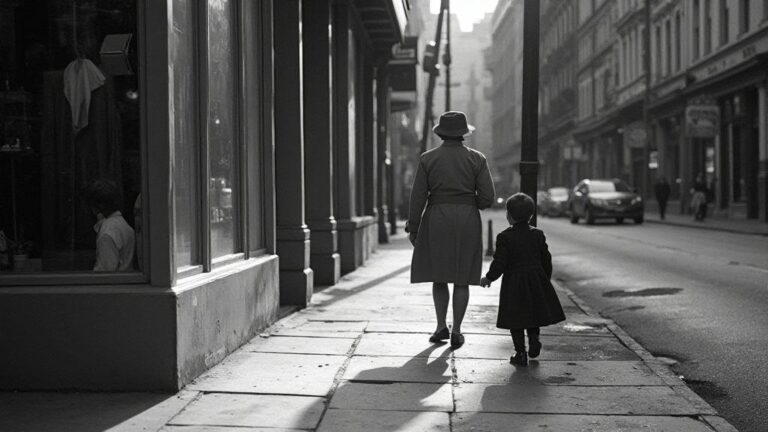
Practice with purpose to gain street confidence. Start with a simple subject you care about—a corner shop, a busy crosswalk, or a park bench—and commit to a few frames you actually like. Your camera should feel like an extension of your eye, not a controller you fear. When you walk the street, you’ll notice light, shadows, and moments shaping themselves. Stay relaxed, keep your camera ready, and trust your instincts. If you miss a shot, shrug it off and move on; every street session teaches you something you can use next time. You’ll see progress as your eyes learn rhythm and your timing improves.
In these sessions, your goal is not perfect gear but clear intent. Capture one compelling moment per block to stay focused and avoid overshooting. You’ll start recognizing patterns—how people move around corners, how rain slicks a pavement, how a bus window reflects a face. When you notice these patterns, you’ll shoot faster and with more purpose. Review your best frames later; you’ll see a thread—color, contrast, subject distance—that you can replicate. Your street photography gains character only when you chase clarity over quantity.
As you build confidence, mix candid energy with your own voice. Vary your perspective—kneeling, crouching, or shooting from a doorway—to add drama or humor. You’re not chasing perfection; you’re capturing real moments with honesty. Confidence grows as you learn to approach people gracefully or time your shot for less disruption. With practice, the street invites you to tell its stories, and your photos will bear your personal touch.
street film photography beginner inspiration
Start with classics that feel accessible: light that kisses faces during golden hours, and films with gentle saturation or bold black-and-white tones. Frame for three elements: a strong subject, a simple background, and a moment that hints at a larger story. If overwhelmed, simplify: shoot fewer frames but make each one count.
Begin with small wins to build confidence. Capture strangers sharing a laugh, a bus door opening to reveal a surprised smile, or a street musician lost in their melody. Your eyes will begin seeking these moments naturally, and your compositions will become more deliberate. You don’t need a million gear tweaks to start; you need curiosity and a willingness to wait for the right instant.
If you ever feel stuck, borrow a mentor’s mindset. Look at photos by famous street shooters and identify what makes them feel alive. Consider timing, framing, and quiet details—like a passerby glancing at the lens or a shadow crossing a doorway. Use that feeling to guide your own shots. Your Beginner Inspirations from Famous Analog Photographers will grow as you practice and reflect, turning those lessons into your own style.
Decisive moment and timing tips
Timing makes or breaks the shot. Count to yourself: one, two, three, and press. Watch how light shifts and how people move through a scene; when the subject aligns with a strong background, you’ll get a cleaner image. If you’re waiting for a perfect expression, don’t chase it forever—look for a peak gesture or a story beat that tells more than a smile.
Practice helps you read the street like a book. Notice natural lines in crosswalks or window reflections that create frames within frames. Those moments feel cinematic and almost inevitable once you see them. Keep a steady pace so you don’t miss the moment while chasing a more dramatic shot. Some of your best images come from patience—waiting for a tiny, telling action.
When unsure, lean on a simple rule: shoot early, shoot late, or shoot in the middle of action. Early shots capture setup and anticipation; late shots reveal emotion. The middle frames freeze movement and expressions at their peak. With practice, you’ll instinctively know the best timing for each scene.
Respectful street etiquette
Be respectful to protect yourself and others. Always ask before photographing someone in close or private moments, especially children or vulnerable individuals. A friendly hello can go a long way; if someone declines, move on calmly and thank them. This trust on the street keeps you shooting confidently.
Be mindful of others in crowded spaces. Avoid blocking doorways or interrupting conversations. In private spaces or shop windows, keep a respectful distance and avoid peering into private moments. Handle film with care: don’t expose it openly to bright light or take photos of private details. Your ethical approach is part of your craft.
Make sure your gear isn’t a nuisance. Don’t block pedestrian traffic with tripods, and keep your equipment secure. In busy areas, consider compact gear that’s less conspicuous and easier to move through crowds. Respect for people’s space helps you shoot confidently and freely.
Build Your Film Practice
You’re building a rhythm you can call your own. Your film practice becomes a daily friend when you set small, steady routines. Start with one simple week-long project and commit to it even on busy days. You’ll notice your eye sharpens as you repeat steps, not just results. Treat each roll as a page in your story; let light, subject, and moment guide your narrative. This is how practice becomes confidence.
Your setup matters, but you don’t need a perfect studio to begin. Choose a camera you love, a few lenses you actually use, and a bag that keeps your gear ready for spontaneous shoots. When you carry your kit with purpose, you’ll shoot more—whether it’s a quick street snap or a quiet landscape. Document your world with intent, not perfection, and your practice will become second nature.
Community supports growth, so share what you’re learning. Post a couple of frames, ask for feedback, and listen for recurring patterns. You’ll see your growth through others’ eyes, and that outside perspective keeps you honest. Your practice is yours to shape—steady, curious, and bold enough to try small, brave things.
analog photography tips for beginners
You’re just starting, so keep it simple. Learn your light and its rhythm, because light is your best compass. Shoot during the golden hours for smoother tones and friendlier shadows. Practice metering in different scenes, then compare results to understand how exposure changes mood. Keep your film type consistent at first; as you grow, you can experiment with emulsions, but mastery comes from repetition.
Get comfortable with your camera’s quirks. If you’re using a basic SLR, practice winding the film, focusing, and composing without relying on auto settings. When a shot looks off, note the light and subject distance. Small adjustments—moving a few steps, changing the angle, or waiting a beat—often turn a so-so frame into something you’ll treasure. Your camera rewards patience, and you’ll know when to push for brightness or pull back for mood.
Keep a simple notebook or app log. Jot down what you shot, the settings, and what felt right or wrong. This isn’t homework; it’s your map. Over weeks, you’ll detect patterns: certain lenses suit portraits, certain films render skin tones beautifully, or certain days beg for closer crops. Your beginner journey is a treasure hunt, and each note is a clue that makes your next shot cleaner and more confident.
creative film photography exercises
Try one exercise per week that blends technique with intuition. For example, shoot a dozen frames that tell a tiny story about a single object, varying distance, angle, and light, then choose the best five to compare later. You’ll learn how small choices change meaning and how to carry that knowledge forward.
Do a color of the day project. Pick a color and shoot scenes where that color dominates. It trains your eye to spot harmony in a crowded frame and helps you understand how film renders color warmth and saturation. You’ll see your personal taste emerge as you compare color balance across different films or settings.
Another exercise is concept-to-print. Shoot a sequence that could become a zine page or a single print. Think in frames, not captures. This pushes you to plan, curate, and edit in camera, saving time in development and ensuring your final piece feels cohesive.
Set weekly photo goals
Set one achievable goal each week, like shoot three portraits with natural light, or complete a 6-frame city walk story. Write it down and keep it visible, celebrating when you hit it. Weekly targets keep you moving forward and prevent drift. If you miss a goal, reflect on what stopped you, adjust, and try again next week. Your consistency builds real skill, not just interest.
Join Film Communities and Events
You’ll feel more connected when you step into scenes where film lovers cheer each other on. Join film communities and events to meet people who share your curiosity and pace. You’ll gain practical tips from others who’ve traveled the same path, and you’ll pick up small tricks that make big differences, like how to tag negatives or source affordable stock. When you attend, you’re not just a face in the crowd—you’re a contributor who can swap stories, gear tips, and stock ideas. Start by finding local clubs, weekly meetups, or online groups that focus on your favorite formats. The more you participate, the faster your skills grow, and new opportunities tend to appear like magic.
If you’re shy, pick one event to attend and bring a friend. Friendly faces lower the barrier to asking questions and sharing work. You’ll discover critique isn’t judgment but a map—pointing you toward where your photographs can improve. Keep a small notebook for tiny lessons you pick up during conversations, like a better way to load a camera or a faster way to dodge a highlight. You don’t need perfect shots to belong; you need curiosity and a willingness to listen. As you build trust, you’ll find collaborators for projects that push your learning in exciting directions.
Regular participation also opens doors to mentorships and swaps. You can trade cameras, film stocks, or even develop time with someone who knows the darkroom inside and out. The community becomes your learning lab, where growth happens faster because you practice with others who care as much as you do. You’ll notice confidence grow when you’re supported by a circle that celebrates each small win, whether you nailed a tricky exposure or mastered a timing nuance. Your journey grows richer with every gathering you attend.
Local darkroom groups and workshops
Joining local darkroom groups puts you in the heart of hands-on learning. You’ll gain practical frames for exposure, timing, and chemical handling. Workshops aren’t just about technique; they’re about building a rhythm with your own process. Hear stories from people who turned negatives into a daily practice, and see how small habits compound into better results. Bring questions, your favorite stock, and a willingness to practice what you’ve read about. The right group will push you to test different papers, dilution levels, and agitation methods.
In workshops, you’ll get direct feedback from practitioners who do this for a living or as a serious hobby. You’ll learn quick fixes for issues in your work—like controlling grain or achieving a smoother tonal range. Darkroom groups offer structured exercises, so you don’t have to guess what to shoot or develop. Over time, you’ll note how different developer mixes look on your photos and how your process changes with temperature. The more you participate, the more you’ll own your style, and your work will grow more confident with each print you pull.
Submit to zines and local shows
Submitting to zines and local shows is a powerful way to make your photos visible and get real-world feedback. You’ll learn to present your work with clear captions, honest statements, and a small portfolio that tells your story. This process teaches ruthless editing, selecting images that sing together and reveal a thread of your voice. When you press send or drop off a packet, you’re testing your nerve and your readiness to share with strangers who will likely see things you missed. You’ll also learn what makes a show feel cohesive—from image pairing to print framing and labeling. Your willingness to share can spark conversations that guide your next steps.
Local zine editors or show organizers appreciate a consistent, reliable maker who can deliver on time. If you’re starting out, consider featuring a tiny series that tells a story rather than a single perfect shot. You’ll gain confidence by seeing your work in print and hearing feedback in a focused, respectful setting. Networking at these events can lead to collaborations or invites to regional galleries. Keep submissions clean, professional, and true to your voice to stand out for the right reasons.
Share prints and feedback
Sharing prints and feedback should feel like a lively, constructive chat, not a harsh critique. Bring prints you’re proud of and a few you’re unsure about. You’ll benefit from both because the strength of your best work often hides the small tweaks you need to improve. When someone comments on a print, listen for specifics—tone, contrast, edges, and how the image feels at different distances. You’ll learn faster by asking clarifying questions and trying the feedback on your next batch. Thank people for their time; this keeps the door open for future conversations and feedback.
Make a habit of noting feedback and testing one or two ideas on your next project. Small changes—like adjusting a developer time by a minute or choosing a warmer paper—can alter mood. Sharing prints regularly turns feedback into fuel for growth, helping your personal style emerge with more confidence. Your community will notice your progress, often leading to more opportunities to show and publish.

Junior Souza is a passionate analog photographer and the mind behind estoucurioso.com. With a camera always in hand and a roll of film never far away, Junior has spent years exploring the world through a 35mm lens — learning, experimenting, and falling deeper in love with the slow, intentional process that only analog photography can offer.
What started as pure curiosity quickly became a lifestyle. From testing different film stocks under harsh light to hunting vintage lenses at flea markets, Junior believes that understanding your tools is just as important as developing your eye.
Through estoucurioso.com, he shares everything he has learned along the way — the techniques, the mistakes, the references, and the stories behind the frames. His goal is simple: to build a space where beginners and enthusiasts alike can grow, get inspired, and never stop being curious.
Always learning. Always shooting.