How Polaroid changed your snapshot habits
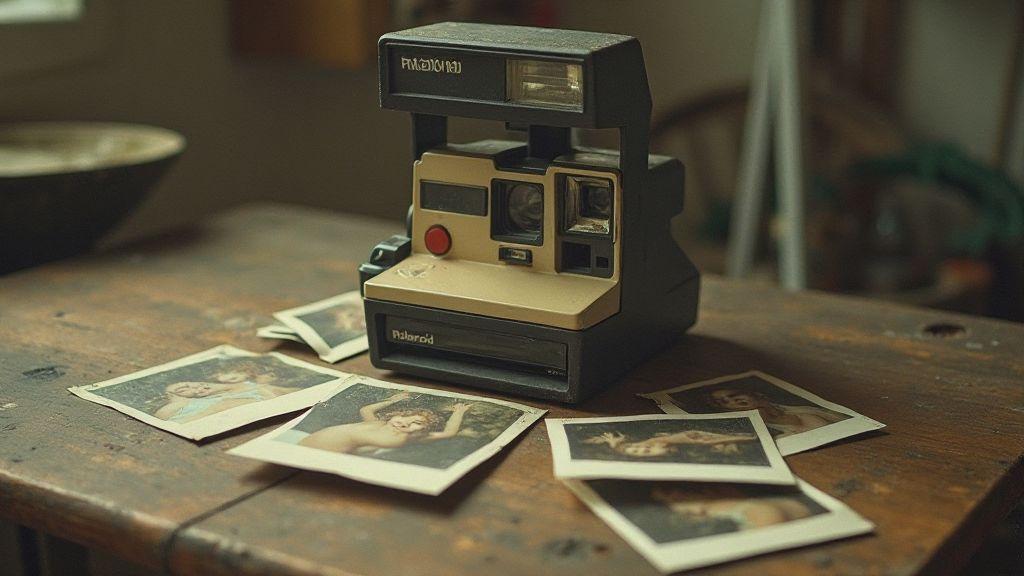
Instant photos became more than a hello to a friend; they became a shared ritual. Polaroid delivered a print minutes after the shot, reshaping how you plan moments and frame quickly, knowing a tangible print would appear. The white border’s development became part of the memory itself, and immediacy became social currency—proof your story happened now, not later. This is part of the Rise and Fall of Polaroid in Analog Snapshot Culture.
Over time, you learned to trust the process: keep the camera close, be bold with color, and embrace the tiny imperfections that make each print unique. The photos weren’t perfect, but they carried energy you could feel when you held them. You used them to start conversations, capture small rituals, and build a scrapbook of spontaneous, joyful moments. The prints anchored your everyday life, turning casual hangouts into shareable events and weaving capture into your social fabric.
Polaroid nudged your creativity. You experimented with lighting, shadows, and angles because you could instantly evaluate what worked. The act of waiting for the image to emerge turned a simple snapshot into a tiny performance you shared with friends. You slowed down just enough to notice a scene you might miss, knowing a print would carry that lesson. In your home, a shelf or wall of prints tells the story of your circle and your small life moments—the idea that technology can be a social craft.
Instant photography history in brief
Instant photography began with a bold idea: to see pictures almost as fast as you could press the shutter. Waiting for development felt like a delay you could skip. The form promised spontaneity—a leap from days of waiting to minutes of sharing. Imagine a room where people gathered to see the first results, eyes lighting up as a photo appeared, not after a long lab process. That rush changed how you approached a scene, encouraging you to trust your gut and snap more freely.
As the trend grew, snapshots became weekly rituals. Friends and family swapped tips, celebrated quirks, and compared prints. The idea of a photo existing in your hand, not just on a screen, reshaped how you valued memory in everyday life. It became about presence—capturing a moment you could literally hold.
You can still feel the echo of those early days in today’s cameras and apps that mimic instant gratification. The essence remains: you want to see memory take shape quickly, with a little surprise in color or border. The history shows speed and social joy can walk hand in hand, turning ordinary days into a gallery you can carry.
Edwin Land’s role in instant cameras
Edwin Land was the spark: Let’s make the moment tangible now. He imagined a future where seeing a photo happened in the moment, not after a lab visit. His idea drove a practical solution—a camera plus film that would develop quickly in your hand. Land’s influence is visible in every pop of color and crisp border in classic instant photos. His bold promise helped you value the bite-sized, shareable moment instant cameras offered.
He pushed researchers to solve the engineering puzzle: how to store, protect, and reveal a photo you could hold moments after you pressed the shutter. That drive created not just a gadget, but a social ritual—people gathered, waited, and celebrated a picture appearing before their eyes. His work gave you a tool to capture not just an image, but a moment of togetherness.
Land’s impact endures in cameras that promise speed without sacrificing story. His ambition shows up when you see a print pop into life and feel an immediate connection with others—a reminder that technology can speed sharing while slowing down to savor it.
Key dates in Polaroid rise and fall
- Polaroid’s early breakthroughs brought a camera that printed a photo in minutes, changing street life and parties for you and your friends. The first wave of excitement showed how a single moment could instantly become a keepsake.
- The brand’s peak years were marked by mass adoption, colorful campaigns, and a sense that every snapshot could be a party moment. The buzz and instant carnival of prints filled walls with images from everywhere.
- As digital tech grew, the ground shifted from physical to digital images. You started relying on screens more, and the magic of instant prints faced new competition.
- The decline came as costs rose and alternatives offered cheaper, more flexible ways to capture memory. You felt the shift in your own habits, moving toward a hybrid approach: some instant prints for real-life moments, some digital copies for sharing.
- The modern era brought a nostalgic revival and new formats, yet the core desire remains: a quick, tangible reminder of a moment you want to keep. The pull of those early days remains when you see a small white frame or a retro camera and think, this is where memory meets speed.
How Polaroid built community moments
Polaroid didn’t just make pictures; it built moments you could relive with friends. The instant prints created a shared space where everyone could contribute, joke, and remember together. The magic sits in your hands—tiny photos that spark big stories. The flow from shy hello to a wave of smiles happens as people swap frames and swap stories. This is how a simple click becomes a memory you care about long after the night ends.
The device’s quirks—the clack, the glossy border, the sticker sheets—became conversation starters. People who never talked found reasons to pose, peek at the print, and trade a glare for a grin. The ease of participation, not perfection, kept people returning for the vibe as much as the photo.
Every event felt warmer with Polaroid in the mix. The self-contained, hands-on process slowed you down just enough to select a moment and print it on the spot. You weren’t just taking pictures; you were curating a living album to hand to someone. That tangible, shareable essence made gatherings feel more connected, turning casual hangouts into small, lasting communities.
Photo booths, parties, and shared prints
Photo booths offer a micro-stage for your group. You strike a pose and watch a print pop out with your name and goofy faces. The print travels with you as a keepsake to tack on a wall or tuck in a wallet for the next morning laugh. The chaos—mismatched hats, awkward smiles, a chorus of one more—becomes a collage of your night.
Parties grow bigger when Polaroids march in with their own rhythm. Prints attach to a table like memory badges, and your crew collects images from different corners, weaving a map of where you were and with whom. Shared prints become a wall of the night you can edit by moving frames or swapping favorites, creating a tangible sense of belonging.
Shared prints don’t stay on shelves; they travel. You pass them to friends not in the shot, pin them at work, or tuck them into memory books. The act of sharing turns a moment into a conversation—a bridge from one gathering to the next. Tiny, imperfect pictures can feel more real and cherished than endless scrolling. That’s the power of shared prints: they democratize memory.
Local clubs, meetups, and archives
Local clubs become stronger when Polaroid acts as a backstage crew. At meetups, cameras stay busy, but the real work is in what people do with the prints after: signatures, notes, and doodles that turn a night into a small archive you can flip through. The archive becomes a map to future gatherings and a reminder that today’s connections could become tomorrow’s friendships.
Meetups evolve into living walls of Polaroids, with new shots mingling with old. Your club becomes a breathing, growing memory bank—proof that you did this together. Archives aren’t just storage; they’re storytelling tools, a tactile history with dates and names on the backs. It’s easy to pull a print for a new member and show them the vibe in a single glance.
Why you crave Polaroid nostalgia
Polaroid nostalgia is more than old photos; it’s a feeling you carry into daily life. You remember the instant thrill of a print popping out, friends crowding around, and that grainy square that captured a moment perfectly. You crave tangible connection in a world of endless scrolling. The Rise and Fall of Polaroid in Analog Snapshot Culture reminds you why the original magic mattered: simplicity, immediacy, and shared memory you can hold in your hand. When you see a vintage Polaroid, you’re reminded that the best memories aren’t edited; they’re printed in real time and kept close.
You also crave the quiet ritual of shooting with a Polaroid camera—the shutter sound, watching the image develop, the imperfect edges that give each photo character. This nostalgia isn’t about perfection; it’s about authentic moments that feel lived-in. It’s about choosing small, meaningful keepsakes—photos that recall friends, trips, and ordinary days made special. It’s a way to slow down and savor snapshots in a world that pushes for speed.
Finally, this nostalgia ties you to a broader community. You swap stories, share tips, and trade advice on film sources and camera care. You’re part of something bigger than your own albums—a culture that values memory, craft, and analog texture. That sense of belonging pulls you toward Polaroid moments, even as digital bells and whistles shout for attention.
Polaroid nostalgia aesthetic explained
The Polaroid look is a mood you can spot instantly. Soft borders, warm tones, and a subtle color splash create a timeless vibe. Edges fade, whites lean warm, and a gentle grain makes the image feel friendly rather than harsh. This aesthetic is easy to imitate, but hard to fake—the magic is in the imperfect balance. Leaning into this style makes spaces and outfits feel intentional, not pristine.
In fashion, the Polaroid look favors casual, approachable pieces: light denim, chunky sweaters, and worn-in accessories. It’s about comfort that still looks deliberate on camera. In decor, expect retro frames, warm lighting, and small, curated displays of photos. A shelf with prints, a vintage clock, and a life-infused plant create a scene that invites conversation and memory-sharing.
Retro look in fashion and decor
In fashion, the retro look blends nostalgia with current comfort: a classic denim jacket, a soft cardigan, and sneakers you can wear all day. Accessories matter: a chunky belt, a beanie, or a tote that looks like it walked through a Polaroid gallery. The goal is casual yet thoughtful, as if you could have stepped out of a beloved film.
Decor-wise, retro means simple, functional pieces with character. A mid-century chair from a thrift shop, a warm-glow vintage lamp, or a shelf of framed prints create a space that looks good in a photo and feels good to live in. Layer textures—wood, fabric, metal—to add depth. A space that photographs well should also feel welcoming in real life.
How the instant film market decline hit you
You felt the shift when film shelves went sparse and supplies grew unpredictable. The decline wasn’t just numbers; it changed how you capture and share life, prompting you to plan ahead and stock up. The thrill of new packs faded as retailers pulled back, and you worried about your old camera becoming a relic.
Yet you clung to the magic of instant snapshots, adapting by trading tips, seeking old stock, and keeping the craft alive in small circles. The story became about community as much as film and prices. You learned resilience in a market that faltered, keeping the craft alive and exploring new ways to enjoy analog photography.
Market shifts in the 1990s and 2000s
The market pivoted as digital cameras rose and instant film slipped from the mainstream. Fewer SKUs, slower restocks, and a growing gap between supply and demand changed how you planned projects, trips, and everyday moments.
The 2000s cemented the trend as digital became the default. Brands trimmed lines, shuttered divisions, and shipping schedules stretched. You adjusted by seeking niche outlets, hunting for old stock, and swapping with friends. The once-busy world of instant photos became a treasure hunt inside a dedicated corner of photography.
Company bankruptcy and supply gaps
A big player’s bankruptcy meant packs vanished from shelves and carts. Supply gaps disrupted routines—missing stock delayed projects and raised questions about the future of cameras and kits. You diversified, kept backups, and learned to rethink how you used film when new stock appeared.
This pushed you to connect more with enthusiasts, trading tips and preserving older film. Resilience mattered in a community where a beloved product could falter.
Effects on analog snapshot culture
The ritual of loading, shooting, and waiting for the reveal became rarer. You valued the slower pace, anticipation, and hands-on care that analog snapshots require. Communities formed around repair, sharing, and archiving, keeping the Rise and Fall of Polaroid in Analog Snapshot Culture alive in conversations and practice.
How Polaroid brand revival reached your hands
You felt a buzz when a small camera reappeared in stores, and you could point at a shelf and say, That’s Polaroid. The revival wasn’t magic; it was branding, partnerships, and digital storytelling that made the brand feel accessible again. You spotted Polaroid everywhere—from gift shops to coffee shops—because the name carried a warm, familiar vibe you could trust. The moment you heard that soft click of a print, you remembered the old days syncing with new memories, and the brand felt within reach.
This revival changed how you buy film: clear packaging, easy options, and the freedom to choose color or monochrome, instant prints or digital copies. You could share snapshots with friends and family, pulling the tab, watching the image appear, and savoring the timeless magic. This accessibility turned you from a curious onlooker into an active fan.
Even your local community felt the revival with events and pop-ups—collectors meeting, cameras clicking, stories flowing about how instant pictures stitched moments together. The revival wasn’t just a product release; it was a social moment you could join, a small gathering where everyday life felt more colorful and communal.
Impossible Project and film relaunch
The Impossible Project began as a hopeful push to bring back film for old Polaroid cameras. It wasn’t just about reprinting film; it was about resurrecting a way of seeing—instant, imperfect, tactile. The team refined chemistry, hunted for color and exposure balance, and released film that slides into decades-old cameras with a satisfying snap. This wasn’t marketing; it felt like careful craft.
Holding the new film linked you to the past and today. Colors carried warmth with a modern polish, making shots pop on screens too. The Impossible Project extended the life of vintage cameras, frame by frame, rather than replacing the past.
As relaunch grew, collaborations with artists and shops turned instant photography into a shared hobby rather than a lonely pursuit. Workshops and online tips highlighted the film’s quirks—the color shifts, lighting quirks—part of the charm. The community expanded beyond a shelf of photos.
Modern Polaroid cameras and brands
A fresh lineup blends retro vibes with modern ease. New Polaroid cameras are quick to pick up and simple to use, yet they offer automatic mode and manual controls for moodier shots. The branding stays clean, approachable, and playful, inviting friends to join without feeling overwhelmed by tech.
Polaroid expanded roots with collaborations and film packs that feel like gifts to yourself. This isn’t just about printing photos; it’s about making memories with a tool that’s easy to start and hard to put down. The product line is welcoming, not loud, encouraging ordinary moments to feel special and shareable.
You’ll also notice a broader ecosystem: social-media-ready formats, travel-oriented cameras, and educational kits that teach composition with instant feedback. Polaroid speaks your language—fun, accessible, and proudly vintage with a modern twist.
Try DIY instant photography for your lifestyle
DIY instant photography can add a playful edge to everyday life. Ordinary moments become tiny keepsakes you can hold or share quickly. A simple setup, some expired or backup film, and a sunny spot makes a friendly starting point. Shoot, peek, and smile as a small ritual.
You don’t need perfect lighting or fancy gear to get character-filled photos. Use everyday settings—a kitchen, park bench, or café corner—and let imperfections tell the story. These frames often feel more real, more you, than polished digital shots, fitting many modern moments where quick, tangible keepsakes matter.
If time is tight, set a micro-routine: bunch a roll, plan one quick shot per day, and print or bind a few favorites weekly. Friends will want to peek at your real life moments rather than staged posts, and analog charm slides easily into daily rhythm.
Simple hacks and expired film tips
Expired film can surprise you with nostalgic colors and grain. Store expired film cool and dry, away from direct sun, and test a few shots first to learn behavior. Some rolls shift toward dramatic skies, soft skin tones, or quirky color shifts that give everyday scenes a special touch.
Try basic hacks: a quick wipe to remove dust, a white surface under the subject to balance color, or shooting during golden hour for softer light. Small lighting tweaks lift overall mood without gear upgrades. Label rolls with purchase date and storage so you can spot patterns later.
Easy camera mods you can do
Simple upgrades can sharpen your results. Swap in a brighter lens or seal a lens cap to keep dust out. Try a DIY screen or new viewfinder cover to test changes. Reversible performance tweaks, like adding a warm filter or bracketing shots on a sunny day, let you dial in your preferred look without overhauling your setup. Small upgrades add personality and keep the hands-on spirit alive.
A few cheerful accessories—a sticker, a fabric wrap—mirror your style and spark joy when you pick up the camera. Your tool becomes an extension of you, and your photos feel more alive.
Choose analog or digital for your snapshots
Choosing between analog and digital shapes how you see life in the moment and afterward. Digital cameras give you instant results and easy sharing. Analog cameras slow you down and add anticipation, producing physical keepsakes. If you love quick clicks and live updates, digital fits your rhythm. If you crave a tangible album you can flip through with friends, analog might be your heartbeat. Your choice defines how you build stories with your community and daily life.
Think about daily usage: you might snap freely with a phone and store, edit, and post from the same device, or plan a Sunday walk with film to savor a print. Digital forgives many takes; analog rewards patience and intention. Your snapshot habits become part of your everyday culture, coloring how you connect with others online and offline.
Now picture your spaces—home, park, café crew. Digital images fit fast-paced gatherings with real-time sharing. Analog shots become keepsakes inviting you to slow down and trade favorites in person. Pick the path that fits your vibe and your friends.
Look and process differences
- Look matters first. Digital images skew bright and high-contrast with post-edit options; analog prints carry softer tones, grain, and color shifts that feel nostalgic and unique.
- Process shapes behavior. Digital is fast: shoot, review, post. Analog asks for time: load film, wait for development, then savor a print. If you love quick feedback, digital suits you; if you crave a ritual, you’ll feel connected to a slower shared experience with friends.
- Gear speaks volumes. Digital implies portability and instant access; analog calls for a reliable body, a few favorite lenses, and thoughtful film choices. Your community notices the cadence you set—rapid posts or deliberate albums.
When analog suits your lifestyle
- If you value craft and memory building, analog fits your pace. Loading film, listening for the shutter, and printing turns shoots into small events that foster community and anticipation.
- If you socialize in person and want tactile keepsakes, analog shines. Pass photos around, pin them on a wall, or tuck them into a scrapbook. Physical prints invite conversation and strengthen everyday ties.
- In daily life, analog slows you down enough to notice the room you’re in. You’ll think twice before shooting, seeking composition and light that feel right, turning you into someone who invites others to contribute their own memories.
Cost and convenience tradeoffs
- Analog costs more upfront and over time. Film, development, prints, and occasional maintenance add up. You’ll be choosy about what you shoot and who sees it, finding joy in a curated series of frames you truly love.
- Convenience leans digital toward constant sharing. No-film costs are lower, and instant feedback encourages collaboration. Back up files, edit easily, and maintain a growing library for quick access. If your life runs on updates, digital helps you stay in the loop.
Join instant camera collectors and clubs
Imagine a meetup where shutters click and film scents fill the room. You’ll find collectors chasing crisp memories in frames and clubs where members share a love for instant cameras. You’ll feel welcomed, even if you’re new, because the community speaks your language—nostalgia and curiosity. Joining gives you a crew that celebrates tiny wins—finding a working flash, scoring a rare lens, or restoring a beloved model. It’s more than a hobby; it’s a way to stay connected to memories and to your own creative voice.
In these circles, your voice matters. Bring a stubborn but beloved camera, and others help you coax it back to life. You’ll find practical advice for your budget, from budget-friendly fixes to museum-grade restorations. You’ll meet friends who share your taste in color casts and film styles, and you’ll discover local events that feel like a party rather than a chore. The more you participate, the more you realize you’re part of a living history of instant photography.
As you dive in, you’ll notice how clubs amplify your passion. You’ll access group buys, club-only swaps, and mini-exhibits to showcase a favorite camera or a clever modification. You’ll connect with mentors who’ve repaired cameras for decades and peers who push you to try new techniques—cross-processing, different flash setups, and more. The exchanges turn collecting into ongoing learning, and you’ll find your people, your project, and your place in the long story of instant photography.
How collectors restore old cameras
Restoration starts with a clean assessment of what works and what doesn’t. A quick look inside tells you whether a shutter, diaphragm, or film advance needs attention. You’ll learn to gather common tools—soft brushes, lens cleaners, and a tiny screwdriver kit—and work patiently, keeping parts organized.
Reliable parts sources matter. You’ll seek authentic replacements, test parts before fitting, and document your process for future projects. Restoring isn’t rushing; it’s preserving history so others can enjoy it too. When a camera breathes again, you’ll test it with real film and tune exposure, flash, and focus to your style, sharing test shots with your club for feedback.
Where to buy parts and film
Useful parts show up in online catalogs and dedicated camera shops that keep vintage spares. Local repair shops and clubs often trade or sell what you need. Compare prices, check compatibility, and ask about return policies. It’s worth paying a little more for something in good condition and exactly what your camera needs.
Film is a treasure hunt, too. Learn which types suit your camera and style, stock up on fresh stock, and keep some vintage varieties if you enjoy retro vibes. Local shops and clubs can guide what’s available and worth ordering online. When you finally load a fresh roll, the anticipation of that first frame is like unwrapping a present you’ve waited weeks for.
Keep a small inventory of essentials: light seals, batteries, and spare fuses for older models. You’ll save time and avoid missing a shoot because you forgot a tiny part. Your camera kit becomes a reliable friend for spontaneous photo walks with your club crew.
How clubs share knowledge
Clubs share knowledge through friendly, hands-on demonstrations. You’ll see repairs in action, learn how to calibrate a focusing screen, and pick up tips for replacing a shutter spring. The vibe is practical and encouraging, with members guiding you step by step. You’ll leave with a quick to-do list and a go-to contact for tougher fixes.
See Polaroid’s cultural impact on your world
Polaroid lives in your pocket and on your walls, shaping how you see moments as they happen. When you pull a tiny photo from the instant camera, you feel the rush of capturing a memory that isn’t waiting for a developer. That instant ritual changes how you share with friends, how you remember a night out, and how your fridge tells the story of your year. You don’t just take a picture—you create a keepsake you can hold and pass around at the dinner table. The distinctive white frame becomes a badge of authenticity, a proof that you were there.
In your neighborhood, Polaroids turn ordinary days into tiny galleries. You snap a child’s first jump into a puddle, a grandparent’s grin, or a street musician’s tired-but-true pose, and suddenly those moments feel truer. The photo’s impermanence and the thrill of development make everyday scenes feel special. You curate little moments to share, not just the perfect Instagram post. Friends may collect your Polaroids, tape them to a corkboard, or trade stories about where the photo was taken.
As you compare Polaroid shots with digital ones, you notice a rhythm: the encounter feels slower, but you feel more connected to the moment. You learn to trust the light, the color shift, and the tiny scratches that tell a story of use. The camera teaches patience, reminding you that some memories deserve a physical home. You’re not just scrolling; you’re forming a tangible thread through your life.
Art, advertising, and social media
Your walls become a tiny gallery when you hang Polaroids from a weekend with friends. The colors feel warmer, edges softer, and stories more intimate. In ads, Polaroid cues signal real moments rather than polished perfection, tapping into your memory lane and inviting trust.
Social media shifts with every shot. A Polaroid post adds texture and imperfections to your feed, and friends respond to the grain, fade, and border as part of your storytelling language. You’re not chasing likes alone; you’re inviting others into your lived moment, to feel the vibe of that place. The Polaroid look keeps your feed cohesive, a thread of analog warmth in a digital world.
Your eye learns to read images differently. You ask whether a moment needs a filter or if the light alone tells the story. This choice becomes part of your creativity, experiment with distance, angles, and timing to create a spontaneous yet intentional street-photo feel you’ll want to save forever.
Everyday snapshot rituals in communities
You develop rituals: a Saturday stop at a corner shop, a quick snap of the cashier’s smile, a blue door that looks perfect in morning light. The Polaroid becomes a social cue your community recognizes. People wave, ask to see the stripey border, and leave a note on the back about where the moment happened. These small exchanges stitch your community together—one picture at a time—creating a sense of belonging to a larger, shared story.
At gatherings, you trade random shots, laugh at oversaturated colors, and discuss lighting. Your circle learns that a snapshot isn’t just memory; it’s a gift you pass along, a way to say, I saw you in this moment. The ritual sticks because it’s tactile and social, not just digital.
As you collect moments in Polaroids, you map your streets in a new way. A corner cafe becomes a memory hub, a mural a shared moment you can point to on a map. You begin building a personal archive you can hold, pass, and reminisce about with neighbors, making your everyday world a little richer and more connected.
Long-term shifts in analog snapshot culture
You’re witnessing a long arc: digital feeds mix with tangible keepsakes, while the Polaroid frame remains a universal shorthand for this moment mattered. The warmth of physical prints remains in demand, keeping analog alive alongside screens. The Rise and Fall of Polaroid in Analog Snapshot Culture isn’t a straight line; it’s a wave that resurges when you need a screen break.
Habits change less because the camera evolves than because your goals do. You crave honesty and a memory you can hold. This makes you reach for a Polaroid when you want to anchor a memory differently from digital. Friends start keeping boxes of prints, and communities increasingly value these physical traces as markers of shared life. The culture settles into a balance where analog and digital support each other, offering choices that fit your mood.
You’ll tell stories about old days and new days, with a little white border that still feels timeless. The rise and fall you’ve lived through isn’t about a camera—it’s about how you choose to remember together.
See Polaroid’s cultural impact on your world-1

Junior Souza is a passionate analog photographer and the mind behind estoucurioso.com. With a camera always in hand and a roll of film never far away, Junior has spent years exploring the world through a 35mm lens — learning, experimenting, and falling deeper in love with the slow, intentional process that only analog photography can offer.
What started as pure curiosity quickly became a lifestyle. From testing different film stocks under harsh light to hunting vintage lenses at flea markets, Junior believes that understanding your tools is just as important as developing your eye.
Through estoucurioso.com, he shares everything he has learned along the way — the techniques, the mistakes, the references, and the stories behind the frames. His goal is simple: to build a space where beginners and enthusiasts alike can grow, get inspired, and never stop being curious.
Always learning. Always shooting.